

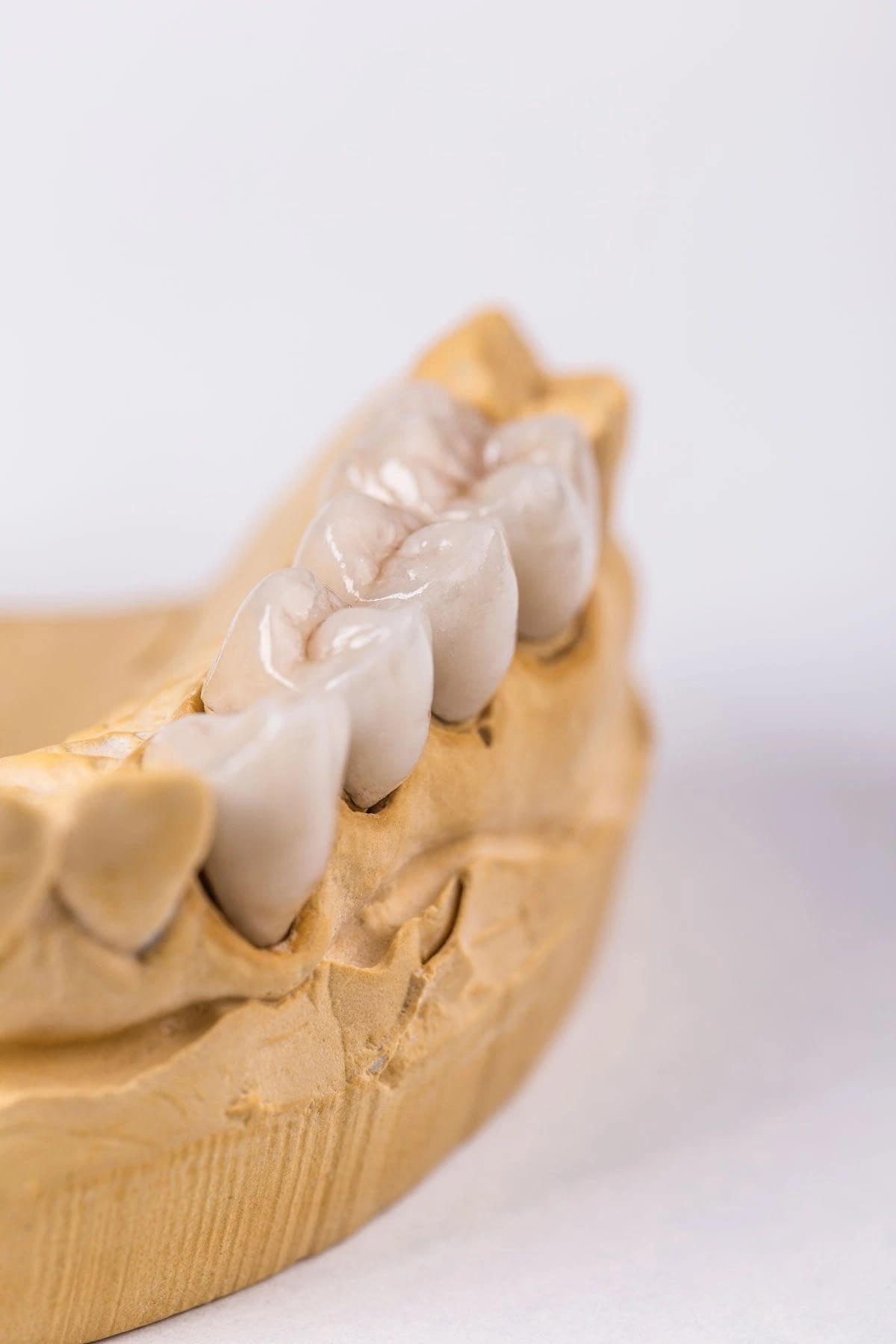
Dental Veneers & Crowns
Premium seramik · CAD/CAM üretim
Porcelain Fused to Metal
A classic crown with metal substructure layered with porcelain — durable, though metal show-through can be a concern.
- Material
- Zirconia / E-Max
- Duration
- Depends on case type
- Anesthesia
- Local anaesthesia
- Recovery
- A few days to a few weeks
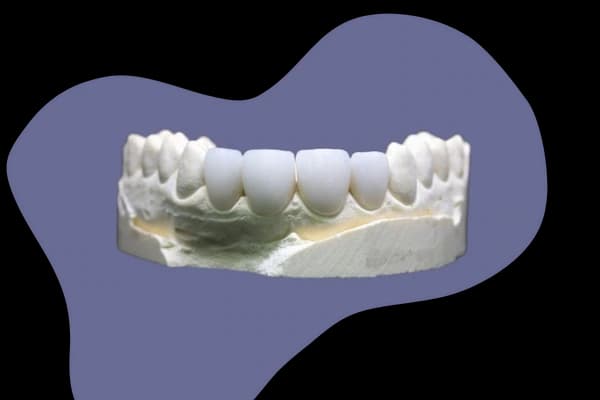
What Is the Treatment?
Porcelain Fused to Metal is a treatment approach planned through clinical examination and personalised care. A classic crown with metal substructure layered with porcelain — durable, though metal show-through can be a concern.
This page summarises what the treatment involves, who may be suitable, the process steps and the recovery period. The final plan is created after examination and imaging when required.
Who Is It Suitable For?
This treatment is planned for patients found suitable after review of medical history, oral findings and clinical examination.
Final suitability is confirmed only after clinical assessment.
- Adults whose general health supports the planned procedure,
- Patients without active infection or uncontrolled systemic disease,
- Individuals with realistic expectations who can follow care instructions,
- Patients able to attend scheduled follow-up appointments.
Disadvantages
The same protocol cannot be applied to every patient; additional procedures or alternatives may be needed.
Recovery time and follow-up requirements vary by procedure type.
Initial cost may be higher than simpler restorative options.
Long-term success depends on regular maintenance and check-up compliance.
Treatment Process
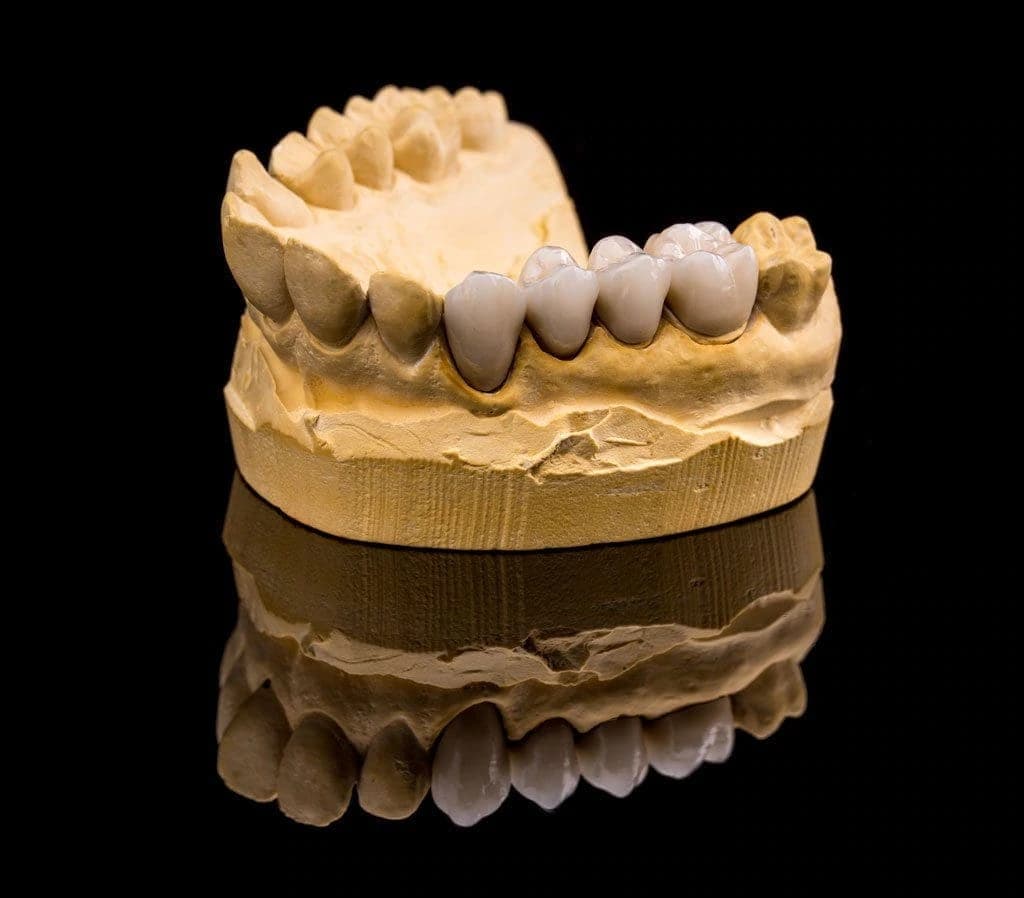
Treatment Process
Estimated clinical duration: **Depends on case type**. Anaesthesia: **Local anaesthesia**.
- Preliminary review: Photos, medical history and expectations are reviewed.
- Clinical examination: Intraoral findings and imaging when needed are assessed.
- Planning: Duration, materials and number of visits are shared in writing.
- Treatment: Planned procedures are completed according to clinical protocols.
- Follow-up: Recovery appointments are scheduled.
Estimated clinical duration: Depends on case type. Anaesthesia: Local anaesthesia.
- Preliminary review: Photos, medical history and expectations are reviewed.
- Clinical examination: Intraoral findings and imaging when needed are assessed.
- Planning: Duration, materials and number of visits are shared in writing.
- Treatment: Planned procedures are completed according to clinical protocols.
- Follow-up: Recovery appointments are scheduled.
Estimated clinical duration: Depends on case type. Anaesthesia: Local anaesthesia.
Recovery Process
Recovery varies from case to case. Typical recovery time for this treatment: A few days to a few weeks.
In the first days, following recommended oral hygiene, diet and prescribed medication is important. Swelling, sensitivity or mild discomfort may occur; contact the clinic if unexpected symptoms arise.
Attending control appointments on time is essential for healthy healing and final outcome assessment.
Risks
- Temporary sensitivity, swelling or bruising may occur.
- Complications such as infection, bleeding or delayed healing are uncommon but possible.
- Existing systemic conditions or smoking may affect recovery.
- Alternative treatment options are discussed during examination; the final decision is made with patient consent.
Price Overview
From
from €150
Varies by case complexity and materials.
Treatments
Frequently Asked Questions


Free initial assessment
Let's build your treatment plan together after a clinical assessment.
Free Consultation WhatsApp