

Dental Veneers & Crowns
Premium seramik · CAD/CAM üretim
Zirconia Crowns
With outstanding fracture resistance and advanced aesthetic options, zirconia crowns are a metal-free ceramic solution that can be used safely on both front and back teeth.
- Material
- Zirconia / E-Max
- Duration
- 4-6 days (completed in 2 clinic visits)
- Anesthesia
- Local anaesthesia
- Recovery
- 1-5 days of mild sensitivity
What Is It?
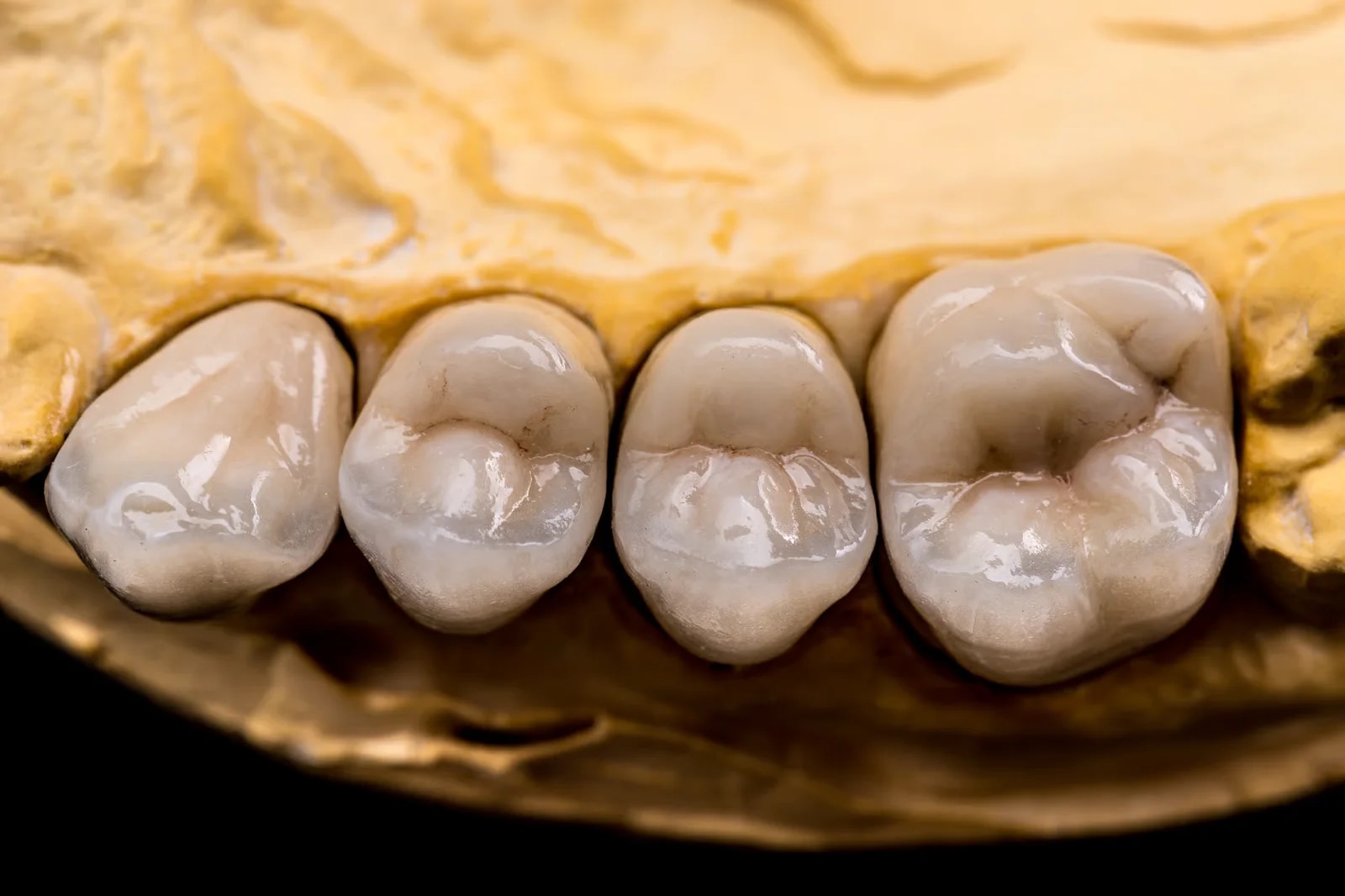
Zirconia crowns are a metal-free crown/veneer system made from zirconium dioxide (ZrO₂), a high-performance ceramic material that has been used safely in medicine and dentistry for many years. Zirconia is one of the strongest ceramic materials used in dentistry in terms of fracture resistance, which means it can be used with confidence not only for front-tooth aesthetics, but also in the back of the mouth where chewing forces are highest, and in multi-unit bridge cases.
Traditionally, zirconia was known as a material that prioritised strength over aesthetics; its opaque (light-blocking) structure could give a slightly more "artificial" appearance in the front-tooth region compared to glass-ceramic materials like E-Max. However, the multilayer and high-translucency zirconia systems developed over the past decade have largely closed this aesthetic gap. Today's advanced zirconia blocks are manufactured with graduated colour and translucency from the gum line to the biting edge, giving a natural transition that makes zirconia a truly versatile option from both an aesthetic and functional standpoint.
Zirconia crowns can be used in a wide range of clinical scenarios: single crowns, fixed bridges, implant-supported restorations, and full-mouth rehabilitation. This versatility makes zirconia one of the most frequently chosen all-ceramic materials in modern dentistry. At our clinic in Alanya, zirconia crown treatment is planned together with digital smile design and CAD/CAM technology, aiming for a result that is both long-lasting and aesthetically satisfying.
In materials science, zirconia is sometimes referred to as "white metal", because although its mechanical properties are close to those of metal, its colour and biocompatibility are entirely ceramic in character. This unique combination makes it both extremely strong and highly compatible with gum tissue.
Zirconia's widespread adoption in dentistry is also supported by decades of use in orthopaedics and implantology; the same material used in hip replacements and dental implant screws has an extensively documented history of long-term tissue compatibility in the scientific literature. This track record makes zirconia a proven, trusted choice for both dentists and patients, and explains its continually growing popularity among newer generations of patients.
The choice between zirconia and E-Max/Empress usually comes down to balancing "aesthetic priority" against "durability priority". For single front-tooth cases requiring an extremely translucent look under low chewing forces, E-Max may be preferred; for cases involving multiple teeth, heavy bite forces, or a history of bruxism, zirconia is the safer choice. Thanks to today's high-translucency multilayer zirconia systems, the aesthetic difference between these two materials has narrowed considerably, making zirconia an "all-purpose" material capable of delivering a consistent treatment plan across both front and back teeth. This is why many dentists today can treat a patient's entire mouth with zirconia and achieve a result that is both mechanically and aesthetically uniform.
Who Is It Suitable For?
Zirconia crowns are a broadly applicable option that may be considered in the following situations:
For single front-tooth cases where an extremely thin, highly translucent appearance with minimal tooth reduction is the top priority, E-Max/Empress may be considered as an alternative — though today's high-translucency zirconia systems are also successfully used in these cases. Patients with gum disease, untreated cavities, or insufficient bone support need to complete foundational treatment before proceeding with zirconia crowns. The final material and treatment plan are determined by the dentist after a clinical examination, X-rays and digital bite analysis.
In terms of age, zirconia crowns are most commonly applied to middle-aged and older patients, particularly those with tooth wear, multiple missing teeth, or the need for extensive restoration. Since teeth clenching and grinding are often stress-related, the need for this treatment tends to be more common among busy working adults. In younger patients, tooth development and gum levels may not yet be stable, so the dentist may decide to postpone treatment to a later age. For patients planned for implant-supported restorations, zirconia has become the standard material for implant crowns, as it supports the long-term function of the implant screw while providing a natural-looking superstructure.
- Patients seeking a durable crown able to withstand high chewing forces in the back of the mouth,
- Patients with a history of bruxism (teeth clenching/grinding) who need a strong material,
- Patients requiring an extensive fixed bridge or full-mouth rehabilitation,
- Patients needing an implant-supported crown or bridge,
- Patients with metal allergies or those seeking a metal-free solution,
- Patients wishing to replace old metal-supported porcelain crowns to eliminate the greyish line at the gum margin,
- Patients wanting a consistent, durable material across both front and back teeth,
- International patients travelling for treatment who want extra confidence in the long-term durability of the material.
Technologies Used
A fully digital workflow governs zirconia crown manufacturing from start to finish, offering significant advantages in both accuracy and repeatability compared to traditional methods. Digital impressions taken with intraoral scanners are faster, more comfortable and more precise than traditional impression materials. CAD (computer-aided design) software creates a digital model of the crown, taking into account the tooth's anatomical form, bite relationship and fit with neighbouring teeth.
During the CAM (computer-aided manufacturing) stage, pre-sintered (soft, easily workable) zirconia blocks are shaped in precision milling units. At this stage, the crown is manufactured slightly larger than its final size, because the material shrinks by a certain percentage during sintering. Sintering ovens fire the zirconia for hours at 1,400-1,600°C, allowing the material to reach its final density, hardness and mechanical strength — the most critical manufacturing step that sets zirconia apart from other ceramics.
When multilayer blocks are used, colour and translucency change gradually within a single block, from the gum line to the biting edge, mimicking the appearance of a natural tooth. Digital spectrophotometers and professional ceramic shade guides are used for colour matching. The glazing process applied at the final stage gives the surface both an aesthetic shine and a smooth texture that reduces plaque adhesion.
The zirconia systems preferred at our clinic include high-translucency (HT) and super-translucency (ST) blocks, which transmit light better than traditional opaque zirconia, producing a more natural appearance. During case planning, the dentist selects the most appropriate translucency level based on tooth position (front/back), aesthetic priority and functional need. Digital occlusion analysis systems check the crown's relationship with opposing teeth with millimetre precision, protecting both the crown and the opposing natural teeth.
Zirconia Care Guide
Daily brushing+
Soft brush and fluoride paste; avoid abrasive whitening pastes.
Floss & interdental+
Clean margins daily to prevent plaque at crown edges.
Night guard+
Recommended if you grind or clench at night.
Annual check-up+
Professional review of margins and gum health.
How Is It Performed?
- 1
Digital examination and planning:
An intraoral scan, X-rays and photographs are used to assess your teeth, gums and jaw joint condition; digital smile design software simulates the expected result.
- 2
Material and shade selection:
The most suitable zirconia type (monolithic or layered) and tooth shade are determined based on the case and your preferences.
- 3
Tooth preparation:
Under local anaesthesia, the tooth surface is carefully prepared to suit the chosen zirconia thickness.
- 4
Digital impressions:
An intraoral scanner is used to take digital impressions of the prepared teeth; this data is transferred directly into the CAD/CAM design software.
Disadvantages
May require more tooth reduction in some cases:
Traditional (higher-opacity) zirconia systems may require removing more tooth structure to achieve sufficient aesthetic thickness; modern thin zirconia systems have reduced this need.
Older-generation zirconia can look more opaque:
Without high-quality, modern multilayer systems, a slightly "flat" appearance can occur next to very thin, highly translucent natural teeth.
Risk of wear on opposing teeth:
Zirconia's very hard surface can, if not properly polished, cause wear on opposing natural teeth over time; this risk is minimised through high-quality manufacturing and correct finishing techniques.
Limited reversibility:
Tooth structure is removed to fit the crown, making the process permanent.
Harder to repair:
If a small chip occurs in a zirconia crown, repairing it intraorally is more difficult than with E-Max; the crown usually needs to be fully replaced.
Cost:
Due to the material and manufacturing technology involved, it requires a higher upfront cost compared to economical acrylic or metal-supported options.
Production time:
Because of the sintering step, laboratory production time can be slightly longer than for some other materials.
Your dentist will explain the advantages and limitations of zirconia specific to your case in detail during your initial assessment.
How Many Days Does It Take?
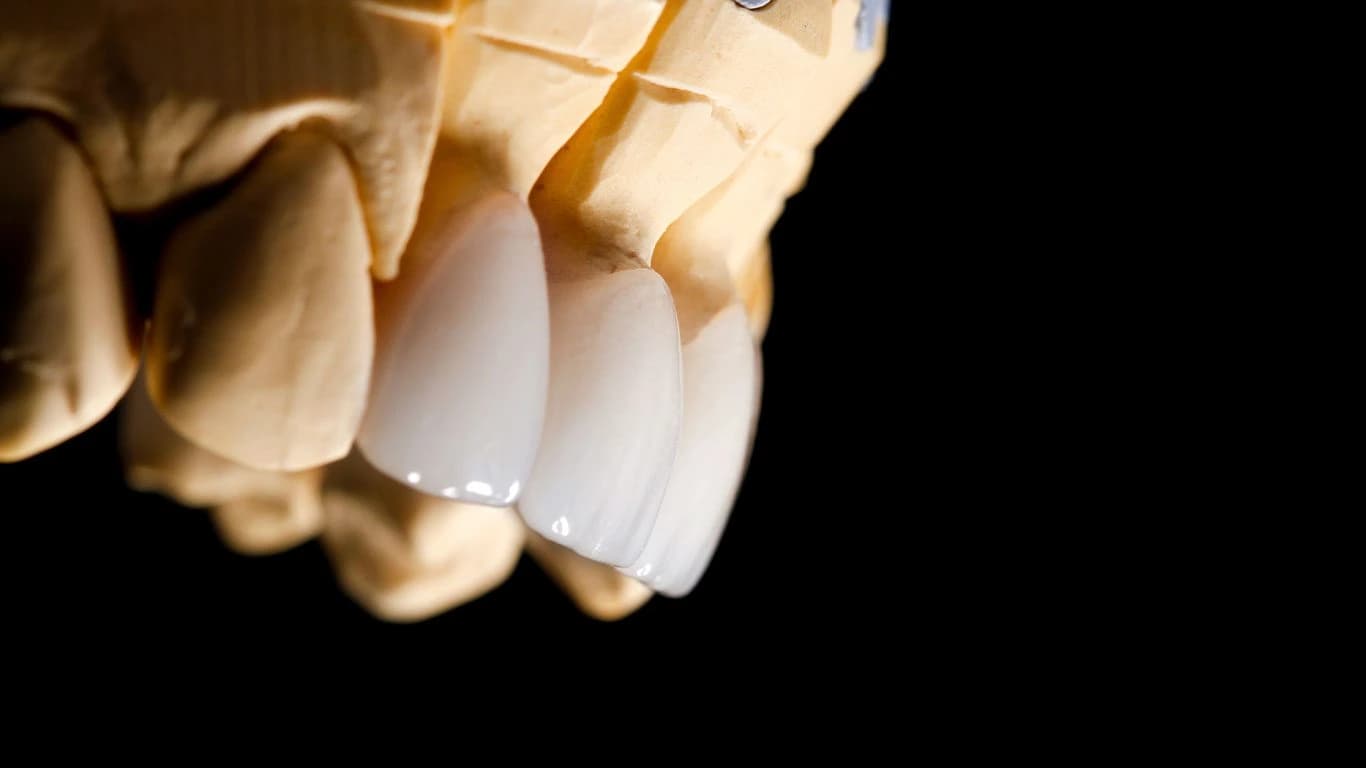
A standard zirconia crown case is typically completed within 4 to 6 days across 2 clinic visits: preparation and digital impressions on the first day, followed by permanent placement a few days later. Because of the sintering step, this timeline can sometimes be a day longer than for E-Max/Empress veneers. For full-mouth rehabilitation or extensive cases involving many teeth, additional planning and check-up days may be required, extending the total stay to 7-10 days. The exact timeline is confirmed after a preliminary assessment based on the photos and X-rays you share with us.
To make travel planning easier, we share the expected timeline with you as precisely as possible during your initial consultation, so you can arrange your flights and hotel booking to match your treatment schedule. If an unexpected additional need arises during treatment (such as an undetected cavity or gum inflammation), you will be informed immediately, and no additional procedure will be carried out without your approval of the revised timeline and cost.
Treatment Process
Your treatment journey in Alanya begins with a VIP transfer from Antalya Airport. On your first clinic day, a comprehensive examination, digital scan and treatment planning take place; tooth preparation and digital impressions are completed the same day. Designing, milling, sintering and characterising the zirconia crown typically takes 2-4 days; this process can take slightly longer than E-Max because of the sintering step required for the material to achieve its high durability.
During laboratory production, you can relax at your arranged hotel and explore Alanya's historic castle, Damlataş Cave, or its scenic coastline. Many of our patients use the waiting days to explore Alanya's natural and historic attractions — watching the sunset from the walls of Alanya Castle, taking a boat trip to Kızılkule and Cleopatra Beach, or visiting nearby waterfalls such as Dim Stream. This turns the treatment process from a purely clinical visit into a relaxing travel experience as well. For extensive cases (such as full-mouth rehabilitation), the process may take a few days longer with additional check-up appointments. Once the crown is ready, your final clinic visit completes the permanent placement and final check. Throughout the process, your patient coordinator stays in contact with you, organises your appointments, and arranges interpreter support; a VIP transfer is also arranged for your return flight.
Recovery Process
Mild sensitivity and a temporary tightness in the gums during the first 24-48 hours after zirconia crown placement are considered normal and typically subside within a few days. Recommendations for the recovery period include:
- Avoiding very hot or very cold food and drinks in the first few days,
- Avoiding biting hard objects (ice, pens, hard nuts) with your teeth,
- Using prescribed mouthwash and mild pain relief if needed,
- Continuing regular brushing, flossing and interdental brush use,
- Wearing a protective night guard consistently if you have a history of bruxism,
- Attending a dental check-up and professional cleaning every six months.
Zirconia's high durability is known to make it somewhat more tolerant of daily habits (such as eating hard foods) compared to E-Max, though this does not remove the importance of careful use. Follow-up support continues through our digital communication channels after you return home; you can request a remote assessment at any time by sharing photos with our team.
The adjustment period is generally quick. In the first few days, the tongue and cheek muscles may take a short time to adapt to the new tooth shape, but thanks to zirconia's smooth surface finish, this adaptation is usually comfortable. In extensive cases involving many teeth (such as full-mouth rehabilitation), adapting to the new bite relationship may take slightly longer, and staying in touch with your dentist during this period is recommended.
Risks
Known risks associated with zirconia crowns include temporary sensitivity, rare instances of chipping (particularly following trauma), and wear on opposing teeth if the surface is not properly polished. In cases where tooth preparation must be performed close to the pulp (tooth nerve), temporary sensitivity can very rarely develop.
While zirconia is highly durable, it is not indestructible; severe trauma (such as an impact from a hard object) can cause damage. Such cases are addressed under the clinic's treatment guarantee. In theory, micro-leakage at the margin can develop over the long term, which is why regular check-ups are important. A definitive risk assessment is provided individually after a clinical examination, and this content does not constitute medical advice.
Low-quality or improperly sintered zirconia can fail to reach the material's expected durability, which is why choosing a reliable manufacturer and laboratory is critical. Our clinic works exclusively with laboratories using internationally certified zirconia systems that undergo regular quality control, with every production batch recorded for traceability. Should any complication arise, the source of the issue is assessed and the necessary repair or replacement steps are initiated under the clinic's guarantee. Overall, while zirconia's clinical success rate is reported to be very high in the literature, individual outcomes can vary depending on each patient's oral anatomy, chewing habits and general health.
Why Choose Us?
A dental team experienced with international patients, actively using digital smile design and CAD/CAM technologies,
Experienced laboratory partners working with high-quality, multilayer zirconia systems,
A transparent, written treatment plan with clearly stated guarantee coverage,
VIP airport transfer and hotel accommodation arrangements,
24/7 patient coordinator and interpreter support before, during and after treatment,
Accredited partner clinics operating under Turkey's Ministry of Health International Health Tourism Authorization Certificate,
Digital follow-up support and remote assessment after treatment,
A dentist experienced in complex cases involving bruxism and heavy bite forces,
The ability to plan even comprehensive cases, such as full-mouth rehabilitation, within a single trip.
Many of our patients who initially come in for a single zirconia crown discover after examination that a more comprehensive treatment plan would suit them better. We never recommend more treatment than is clinically necessary — every recommendation is presented transparently, based on clinical need and your own preferences. Whether you're looking to restore a single tooth or renew your entire smile, our experienced dental team and modern laboratory infrastructure are here to provide a personalised, realistic and transparent treatment plan.
Price Overview
From
from €250
Varies by number of teeth, chosen zirconia type (monolithic/layered) and case complexity.
Treatments
Frequently Asked Questions


Free initial assessment
Let's build your treatment plan together after a clinical assessment.
Free Consultation WhatsApp