Bruxism is the tendency to clench, grind or bite the teeth while awake or asleep. It may go unnoticed in daily life and appear through morning jaw fatigue, headache or a partner hearing grinding at night. This article is for general information — definitive diagnosis and treatment plan are determined only after dental examination, imaging if needed and individual assessment.
Medical notice: This content does not diagnose, recommend treatment or promise certain recovery. If symptoms persist or you have sudden severe pain, locking or swelling, consult a dentist or healthcare provider.
What Is Bruxism? Awake and Sleep Bruxism
Bruxism is considered in two main forms:
- Awake bruxism: Clenching or biting during the day, often during concentration, stress or focus. The person is usually aware and may try to reduce the behaviour consciously.
- Sleep bruxism: Clenching and grinding during sleep at reflex level. It can recur in sleep stages and is noticed through morning symptoms.
Both forms place load on the jaw muscles, teeth and temporomandibular joint region. For possible triggers and night-specific effects of sleep bruxism, see our article Why do you grind your teeth while sleeping?.
Symptoms: How Is It Recognised?
Bruxism does not look the same in every patient. Commonly reported findings include:
- Jaw muscle fatigue or pain on waking
- Headache in the temple region
- Flattening, wear or sensitivity on tooth surfaces
- Gum recession or sensation of loose teeth (in advanced cases)
- Clicking, pain or difficulty opening in the TMJ region
- Partner or family hearing grinding at night
- Reduced sleep quality and daytime fatigue
A single symptom does not prove bruxism. For example, morning headache can also relate to migraine, neck muscle tension or sleep disorders. Clinical examination is recommended if symptoms bother you.
Possible Causes and Risk Factors
A single cause cannot always be identified; in most cases several factors are evaluated together:
- Stress and anxiety: Daytime tension often carries into the night.
- Sleep disorders: A link between obstructive sleep apnoea (OSA) and sleep bruxism has been reported; sleep medicine referral may be needed if suspected.
- Malocclusion and bite mismatch: Misaligned teeth may create extra load in some patients; orthodontic assessment may be discussed.
- Alcohol, caffeine and smoking: Can affect sleep quality and increase night bruxism.
- Certain medications: Selected psychiatric drugs have been associated with bruxism; medication changes should only be discussed with your prescribing doctor.
- Parafunctional habits: Chewing gum, pen biting and teeth clenching can combine with awake bruxism.
Cause analysis helps determine which components (protective splint, stress management, bite adjustment, restoration) to prioritise in the treatment plan.
Work Life, Stress and Awake Bruxism
Awake bruxism is common in adults with demanding work schedules. Unconsciously clenching while preparing a presentation, during deep concentration at the computer or waiting in traffic is a habit many people do not notice. Workplace stress alone does not cause bruxism; however, it can trigger or worsen existing tendency.
Common factors in office environments include prolonged screen use, high responsibility pressure, poor ergonomics and increased caffeine intake. To manage bruxism at work, "jaw control" during the day (teeth apart, lips together), neck stretches during screen breaks, breathing exercises and limiting caffeine after work may be tried (general information only).
These measures may not eliminate bruxism completely; however, they can reduce the frequency of awake bruxism and ease muscle tension carried into the night. Dental assessment is recommended if symptoms affect work performance or sleep quality.
Bruxism in Children: When to Worry?
Teeth grinding is one of the topics parents ask about most. Night grinding during the primary teeth period (around ages 3–6) is very common and decreases on its own in most children as permanent teeth erupt. Jaw muscles and bite are still developing; tooth fit often settles over time.
However, not every child's bruxism follows the same course. Paediatric dentist or children's dentist evaluation should be considered when:
- Grinding is heard every night and morning jaw pain or headache is reported
- Noticeable wear or enamel sensitivity is observed on tooth surfaces
- The child frequently clenches during the day or holds jaw muscles tense
- Sleep disorder signs accompany (snoring, breathing pauses, excessive daytime sleepiness)
- There is pain, limited opening or "clicking" in the TMJ region
Management in children differs from adults. Night guard use is planned carefully according to age and dental development; not every child receives an adult-type splint. Underlying causes are investigated first: allergy, nasal congestion, suspected sleep apnoea, parasitic infection or stress (school anxiety, family changes) may be included in assessment.
Parents can create a calming bedtime routine, raise awareness without pressure and keep regular dental check-ups. Most childhood bruxism decreases with age; early intervention in severe cases may help prevent wear on permanent teeth.
Effects on Teeth, TMJ and Restorations
Long-term or intense bruxism can lead to:
- Enamel and dentin wear: Teeth shorten, incisal edges flatten, hot-cold sensitivity increases.
- Cracks and fractures: Fine cracks or fracture of fillings/veneers may appear.
- TMJ discomfort: Muscle tension, pain or limited movement in the joint region.
- Damage to aesthetic restorations: Thin structures such as laminates, E-Max veneers or zirconia veneers may be exposed to excessive force.
- Implant and prosthesis load: Additional stability needs in fixed prostheses and implant-supported restorations can affect planning.
Early intervention may help reduce the need for dental crowns or extensive restorative rehabilitation at a later stage; however, every case is individual and outcomes cannot be guaranteed.
Bruxism and implant treatment
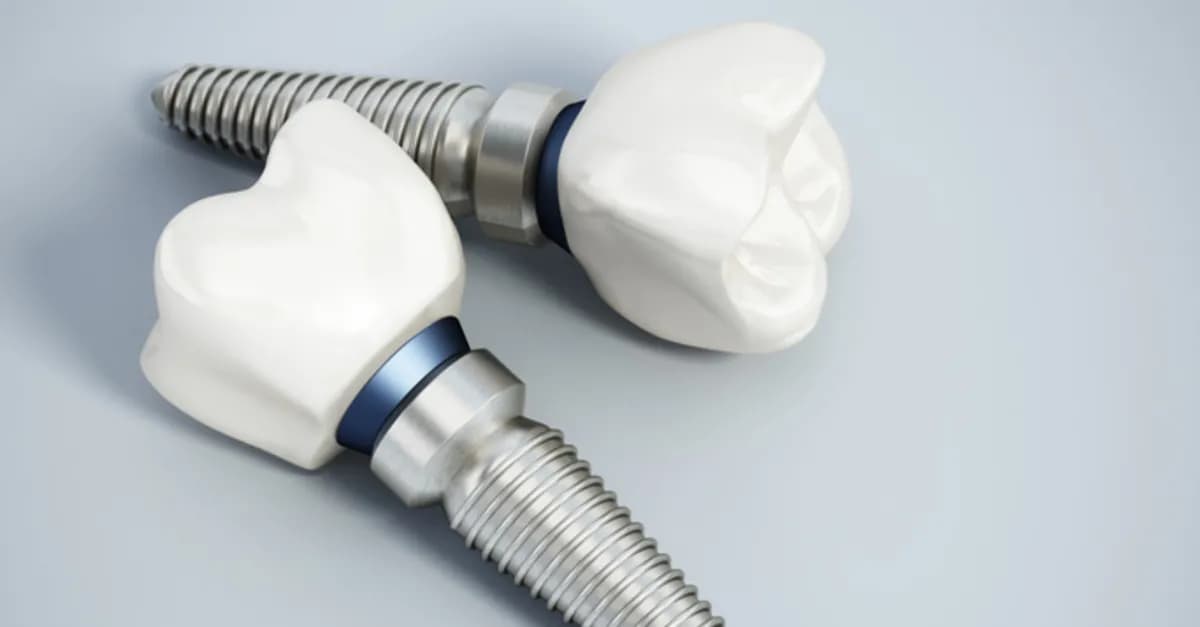
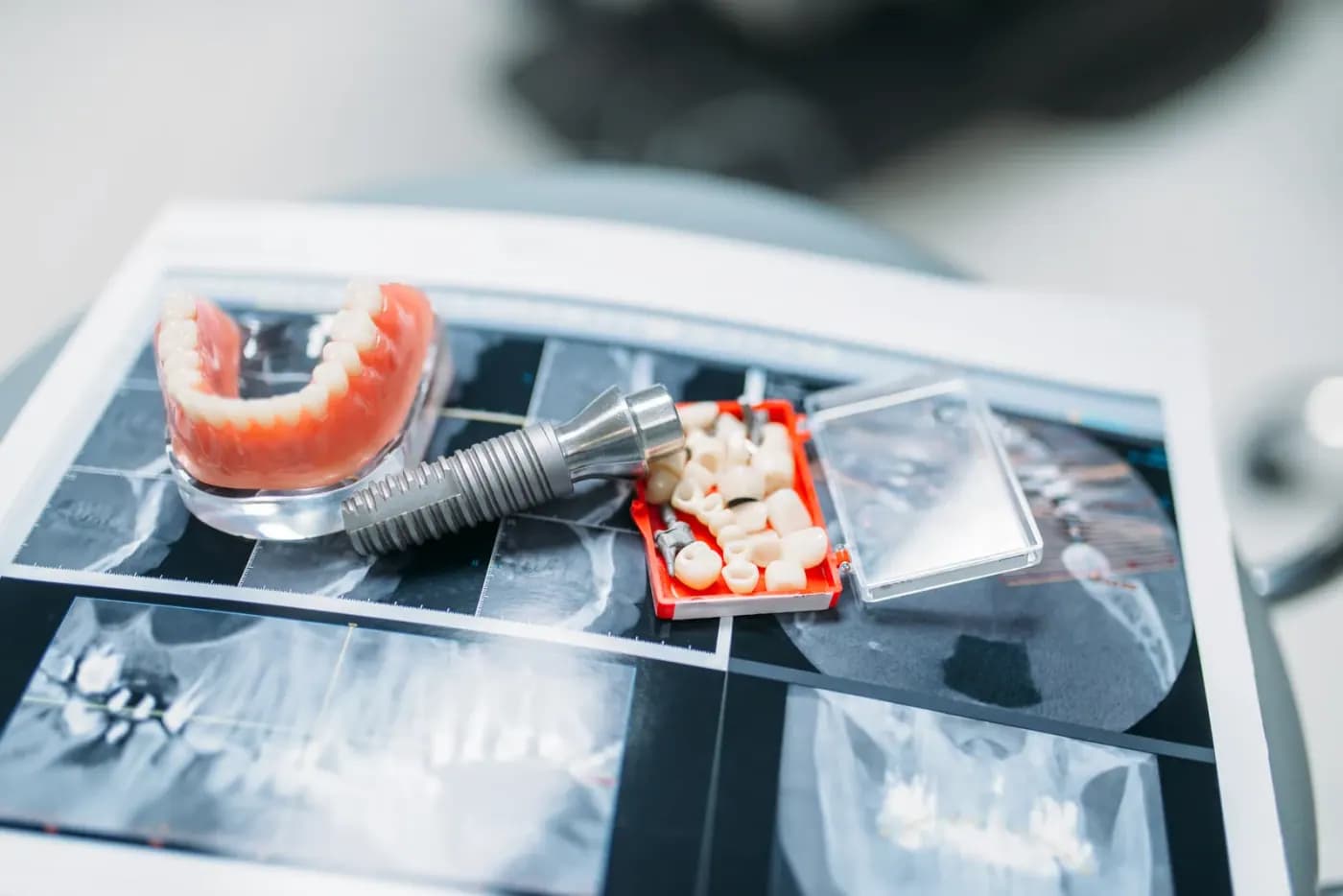
In dental implant or full-arch implant protocols (for example All-on-4/6 plans), bruxism history affects implant count, prosthesis design and night guard use. High chewing force can place extra stress on bone around implants and on the prosthesis; bruxism assessment before implants and regular follow-up afterwards are therefore important. If you are considering implant treatment, always share bruxism symptoms at examination.
Diagnostic Process: What Happens at Examination?
Bruxism diagnosis is mostly based on clinical findings and patient history. Points often evaluated at examination:
- Tooth and enamel review: Wear patterns, cracks, restoration status.
- Jaw muscles and TMJ: Muscle tenderness, joint sounds, opening range.
- Occlusion analysis: Premature contacts, slide directions, bite irregularities.
- Sleep and lifestyle history: Stress, sleep quality, alcohol-caffeine, medication use.
- Imaging: Panoramic X-ray or CBCT of tooth and bone structure if needed.
Some clinics may suggest EMG or polysomnography to measure grinding frequency; these tests are not mandatory for every patient and are planned according to indication.
Teeth Grinding Treatment: Approaches and Options
Treatment plan is individual; a single method may not be sufficient in every case. Common components:
1. Night guard (occlusal splint)
The most frequently recommended protective approach in sleep bruxism. A custom-made plate in the mouth aims to distribute force on the teeth and reduce direct enamel-restoration contact. Splint type (soft or hard, full arch or partial) is chosen per case.
Hard splints are generally considered more stable for long-term use; soft plates may offer comfortable start for some patients but can increase chewing force in others — splint choice is therefore not one-size-fits-all. Ready-made (boil-and-bite) guards may offer short-term protection; for bruxism management most dentists prefer custom plates made from digital or precision impressions. Sensitivity, increased saliva or temporary jaw discomfort may occur during use; if symptoms persist, splint adjustment or design revision may be needed.
Regular check-up and cleaning matter; the plate mostly provides protection rather than "treating" the teeth. It does not replace brushing and flossing.
2. Stress management and behavioural support
Breathing exercises, sleep hygiene, physiotherapy or psychological support may be recommended in awake bruxism and stress-related cases. Simple awareness tips such as "keep teeth apart, lips together" help some patients.
3. Occlusal adjustment
Selective grinding or restoration to balance the bite may contribute to reducing muscle tension in some patients. This step must be planned carefully and should not cause unnecessary loss of tooth structure.
4. Orthodontic treatment
If crowding or significant bite disorder accompanies bruxism, orthodontic treatment may be discussed. Orthodontics does not always eliminate bruxism; however, improving the bite may help load distribution in some cases.
5. Restorative repair
Worn teeth may be rebuilt with fillings, full ceramic crowns or dental crowns. Night guard planning before or alongside restoration is often recommended for longevity.
6. Medical referral
In suspected sleep apnoea, uncontrolled TMJ pain or medication-related bruxism, the dentist may recommend collaboration with sleep medicine, oral surgery or the prescribing physician.
Aesthetic Treatment and Bruxism: What to Know Before Planning
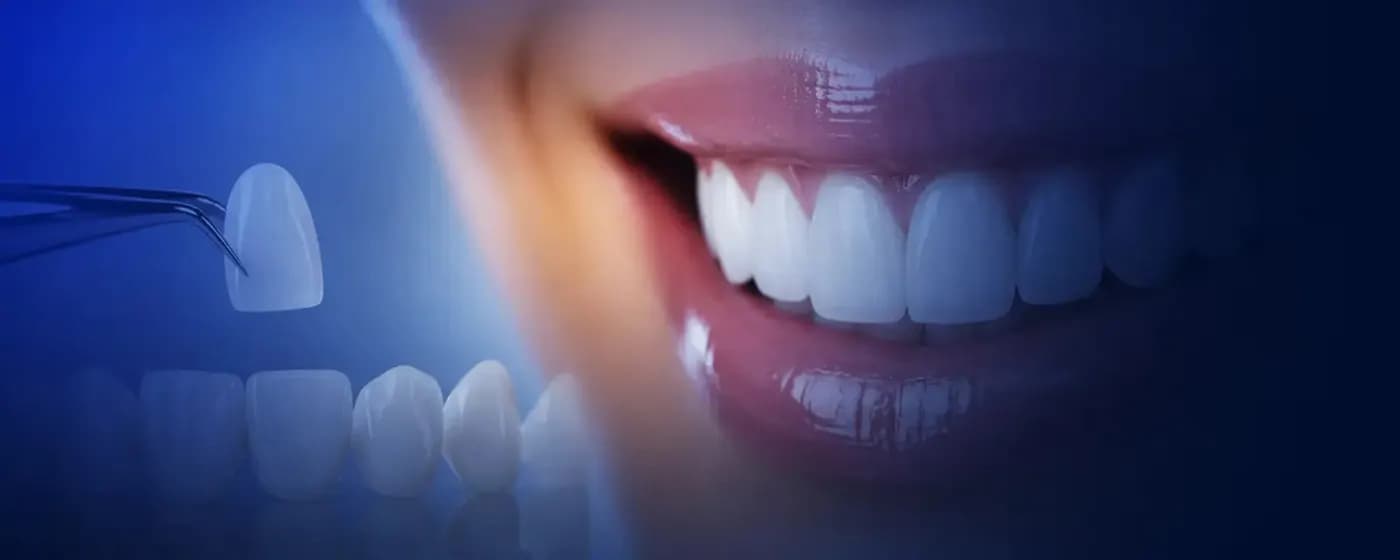
Active bruxism directly affects aesthetic dentistry plans. In Hollywood Smile, porcelain laminate or thin veneer protocols, force on teeth increases and fracture and wear risk rises.
In practice many dentists recommend this sequence:
- Assess bruxism severity and bite
- Start protection with a night guard if needed or optimise existing splint
- Choose materials according to load profile — more durable options such as zirconia veneers may be discussed in high-risk cases; combined protocols (E-Max + zirconia) may be planned for anterior aesthetics
- Apply aesthetic restorations and plan regular follow-up
For suitability and material comparison before veneers, see Zirconia or E-Max? and what to know before veneers. Aesthetic dentistry offers a general overview.
Daily Protection and Prevention Tips
In addition to treatment, the following may help some patients (general information only):
- Limit caffeine and alcohol before sleep
- Reduce evening screen use and establish regular sleep times
- Relax the jaw when you notice daytime clenching
- Reduce habits such as gum chewing and pen biting
- Maintain oral health with regular dental check-ups and professional cleaning such as comprehensive dental cleaning
These suggestions may not prevent bruxism definitively; examination is essential if symptoms continue.
When Should You See a Dentist?
An appointment is recommended when:
- Morning jaw pain or headache recurs several times a week
- There is noticeable wear, cracks or sensitivity on teeth
- Your partner reports hearing grinding every night
- Jaw opening is limited or there is severe pain in the joint region
- You are planning aesthetic veneers or implants — bruxism assessment should be part of the plan
For emergencies (sudden locking, severe swelling, pain after trauma), seek urgent healthcare.
Which Specialties May Be Involved?
Bruxism is usually managed by a dentist; however, some cases need a multidisciplinary approach. According to your symptoms, your dentist may suggest referral to:
- Sleep medicine: If snoring or breathing pauses accompany, sleep apnoea investigation may be needed.
- Oral and maxillofacial surgery: Assessment in TMJ disc disorder or jaw locking.
- Physiotherapy: Exercise programme for chronic muscle tension or limited movement.
- Psychiatry / psychology: Underlying factors should be addressed if uncontrolled anxiety or medication side effect is suspected.
- Paediatric dentistry: Age-appropriate planning in severe childhood bruxism.
Referral is not needed for every patient; however, if symptoms worsen despite standard treatment, specialist evaluation should not be delayed.
Long-Term Follow-up and Expectations
Bruxism can persist for years as a chronic behaviour; treatment goals are often to protect dental and jaw health and manage symptoms rather than "eliminate completely." Patients using a night guard may be advised check-ups once or twice a year to monitor splint fit and tooth wear. Symptoms may temporarily increase during stressful periods; continuing splint use and reviewing triggers can help.
If you have had aesthetic restorations, veneer and laminate lifespan depends on bruxism severity, material choice and night guard use. Regular check-ups help catch early wear or fracture signs. Prognosis differs for every patient; recovery or stabilisation time cannot be guaranteed.
Related Content
- Why do you grind your teeth while sleeping?
- Who is not suitable for zirconia veneers?
- Zirconia or E-Max?
- What is a Hollywood Smile?
- Zirconia veneer · E-Max veneer · Dental crowns
Conclusion
Bruxism is common and can harm teeth, the jaw and aesthetic restorations in the long term; it is often manageable with early assessment. Night guard, bite analysis, behavioural support and restorative repair when needed can be planned together. Definitive diagnosis and treatment are determined only after examination.
For personal assessment and treatment options, request an appointment or free preliminary consultation via our contact page.
Legal and medical note: This page is for information only and does not replace medical advice. Diagnosis, treatment and outcomes vary from person to person; recovery time and treatment success cannot be guaranteed. Do not change medication, sleep or psychiatric treatment without consulting the relevant physician first.