Straumann, as a Switzerland-based manufacturer with one of the longest clinical histories in implantology, is positioned globally in the premium segment. At our clinic, Straumann implants are evaluated in cases that suit the treatment plan alongside systems such as Nobel Biocare, MegaGen, Osstem and Notch. In this article we explain in clear language what Straumann dental implant means, standout technologies such as Roxolid and SLActive, in which situations it may be considered, its limitations and planning in Turkey. Content is for information only; definitive suitability and brand preference are determined only after examination, medical history and imaging.
Why Dental Implants and Brand Selection Matter
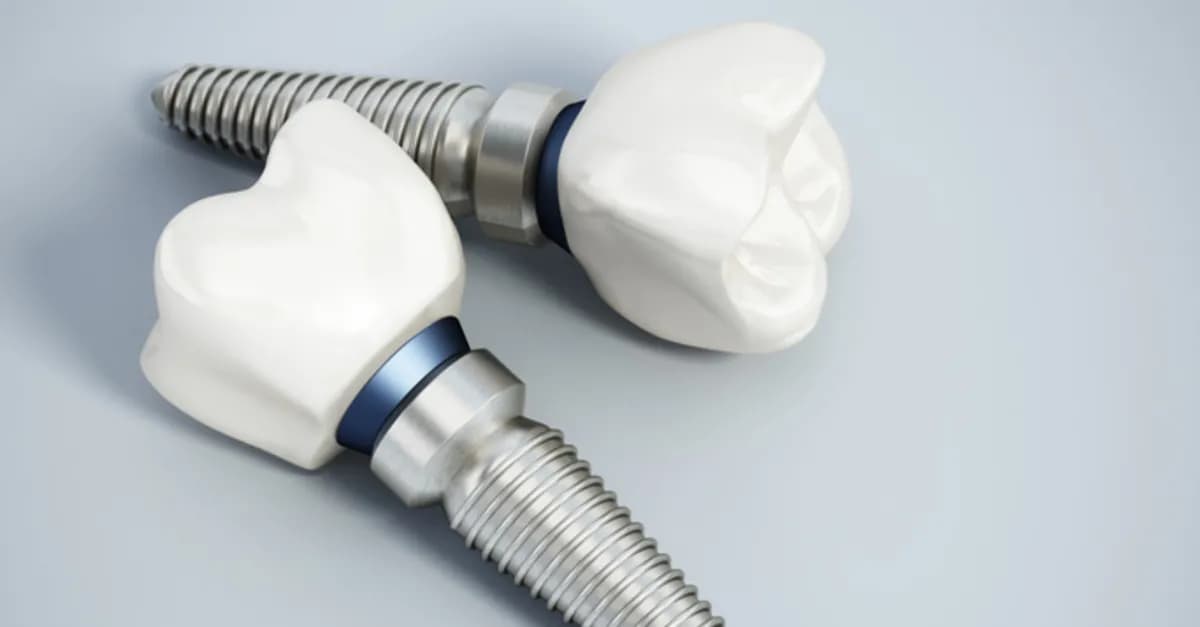
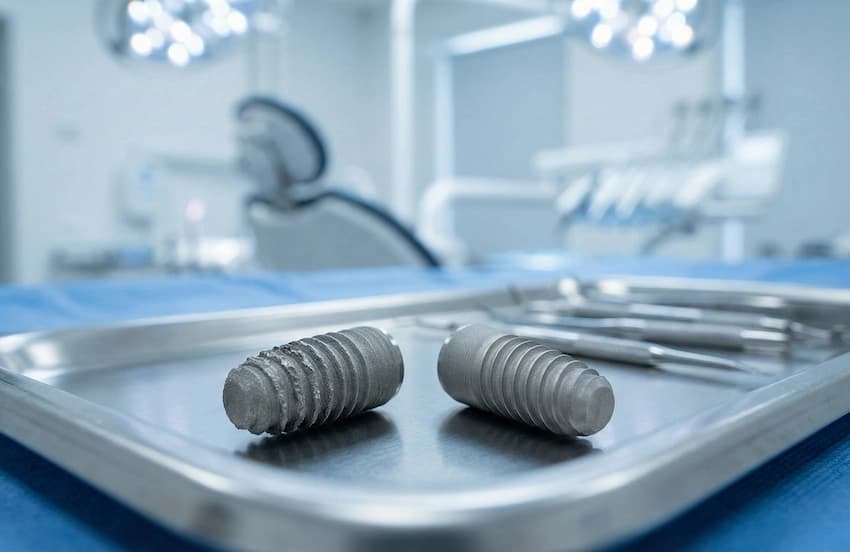
A dental implant is an artificial root made of titanium or a titanium alloy that replaces a missing tooth root. It is placed in the jawbone; over time the bone fuses with the implant surface (osseointegration). A crown, bridge or fixed prosthesis is then placed on top. Brand selection affects planning in terms of implant surface technology, connection design, prosthetic compatibility and long-term maintenance ease. However, success depends not only on the brand but also on bone structure, surgical technique, sterilisation and prosthetic planning. No automatic success or lifetime trouble-free use can be guaranteed for any implant system.
General Information About Straumann
Straumann Group is a company founded in Switzerland in 1954 that today offers implants, prosthetic components and digital dentistry solutions on a global scale. The brand is associated with clinical studies frequently cited in implantology literature; this contributes to clinicians often evaluating Straumann in the planning process. Positioned in the premium segment, Straumann offers a broad product range including Bone Level, Tissue Level, BLX and Roxolid series. Various diameter, length and connection options are available for different bone densities, aesthetic zone requirements and fixed prosthesis protocols.
Roxolid: Titanium-Zirconium Alloy
Roxolid is Straumann's implant body series made from titanium and zirconium alloy. According to manufacturer specifications, Roxolid aims to offer higher mechanical strength than pure titanium; this can facilitate planning narrow-diameter implant use especially in narrow bone anatomy. Narrow-diameter models may carry potential to reduce bone graft need; however, graft-free planning is not possible in every case. Roxolid selection does not mean automatic advantage; bone volume, chewing force distribution and aesthetic expectations should be evaluated together. Alloy technology is not the sole determinant of implant success.
SLActive Surface Technology
SLActive is defined as a hydrophilic surface treatment applied to the Straumann implant surface. It is positioned as an improved version of traditional SLA (Sandblasted, Large grit, Acid-etched) surface and aims to accelerate early bone fusion. Manufacturer data highlights shorter healing times and evaluability of early loading protocols in some clinical scenarios. However, early loading is not suitable for every patient; bruxism, insufficient bone quality or systemic risk factors can change the plan. Surface technology can support healing, but hygiene, follow-up and prosthetic design remain factors that determine long-term outcome.
BLX and Bone Level Systems
The Straumann BLX series is defined as an implant design aiming for high primary stability and adaptation to various bone anatomies. With wide platform, non-sharp implant tips and multiple connection options, it can be evaluated in fixed prosthesis protocols. Bone Level implants aim to facilitate soft tissue management in the aesthetic zone with a design that positions the implant head at bone level. Tissue Level systems offer a structure that supports gingival contour and are frequently preferred in posterior functional restorations. Which series is chosen depends on bone volume, gingival thickness and prosthesis type; no single model is ideal for every case.
Technical Features and Product Variety
Main points considered in Straumann implant systems include:
- Wide diameter and length options — Narrow-diameter Roxolid models in narrow bone, standard or wide platform implants in wide bone can be evaluated.
- Surface technologies — SLActive and SLA surface options aim to optimise bone-implant contact; clinical outcomes vary case by case.
- Prosthetic connection types — Internal and external connection, angled screw and multiple abutment options affect crown and bridge design.
- Digital integration — Compatibility with CAD/CAM prosthesis production and digital impression systems can support laboratory workflow.
- Spare-part availability — Global distribution network can facilitate part availability when prosthetic revision is needed in future.
Technical details are followed from manufacturer catalogues; what matters for the patient is understanding which model the clinician recommends after examination and why.
In Which Situations Can It Be Evaluated?
Straumann implant may be included in the plan in the following scenarios (suitability confirmed through examination):
- Single tooth loss and gap closure
- Implant-supported bridge for multiple missing teeth
- All-on-4 or All-on-6 type fixed prosthesis protocols in total edentulism (depending on bone volume)
- Aesthetic-critical cases in the anterior region — soft tissue management is part of the plan
- Evaluation of narrow-diameter Roxolid models in limited bone volume
- Restoring posterior chewing function with implants
- Alternative planning in previously failed implant cases (individual assessment required)
Temporary prosthesis aesthetics and gingival contour in the aesthetic zone are also part of the plan; the brand alone does not guarantee aesthetic outcome.
Who May Not Be Suitable?
The following situations may delay the implant plan or bring alternative treatment into consideration:
- Uncontrolled diabetes or serious systemic disease
- Active, untreated periodontal (gum) disease
- Smoking (especially heavy) — may increase healing risk
- Insufficient bone volume and anatomical limits where bone grafting is not feasible
- Bruxism (teeth grinding) — creates additional load on prosthesis and implant; night guard and plan revision may be needed
- Mandibular region with radiotherapy history (individual risk assessment required)
This list is not exhaustive; the definitive decision is made after clinical examination, medical history and CBCT analysis. Premium brand selection does not remove these risks.
Advantages
Aspects that stand out in planning with Straumann systems:
- Long clinical history — Extensive reference base in literature; clinician training and protocol standardisation are supported.
- Roxolid and SLActive technologies — Offer options that can be evaluated in narrow bone and early loading scenarios.
- Product variety — Model options for different bone types and aesthetic requirements are available.
- Global spare-part network — Accessibility advantage for international patients when prosthetic revision is planned in future.
- Digital workflow compatibility — Ease of integration with CAD/CAM prosthesis production and impression systems.
Limitations and Points to Consider
- Brand selection alone does not guarantee success; clinician experience and follow-up protocol are decisive.
- Premium segment price profile can increase total treatment cost; budget planning should be done.
- Straumann is not automatically preferred for every case; alternative brands can be evaluated in plans seeking cost-performance balance.
- Regular post-implant check-ups and hygiene are essential for long-term outcome.
- Manufacturer warranty may cover manufacturing defects in implant parts; it does not mean guarantee of clinical success.
How Does the Treatment Process Work?
A typical Straumann implant treatment consists of the following stages:
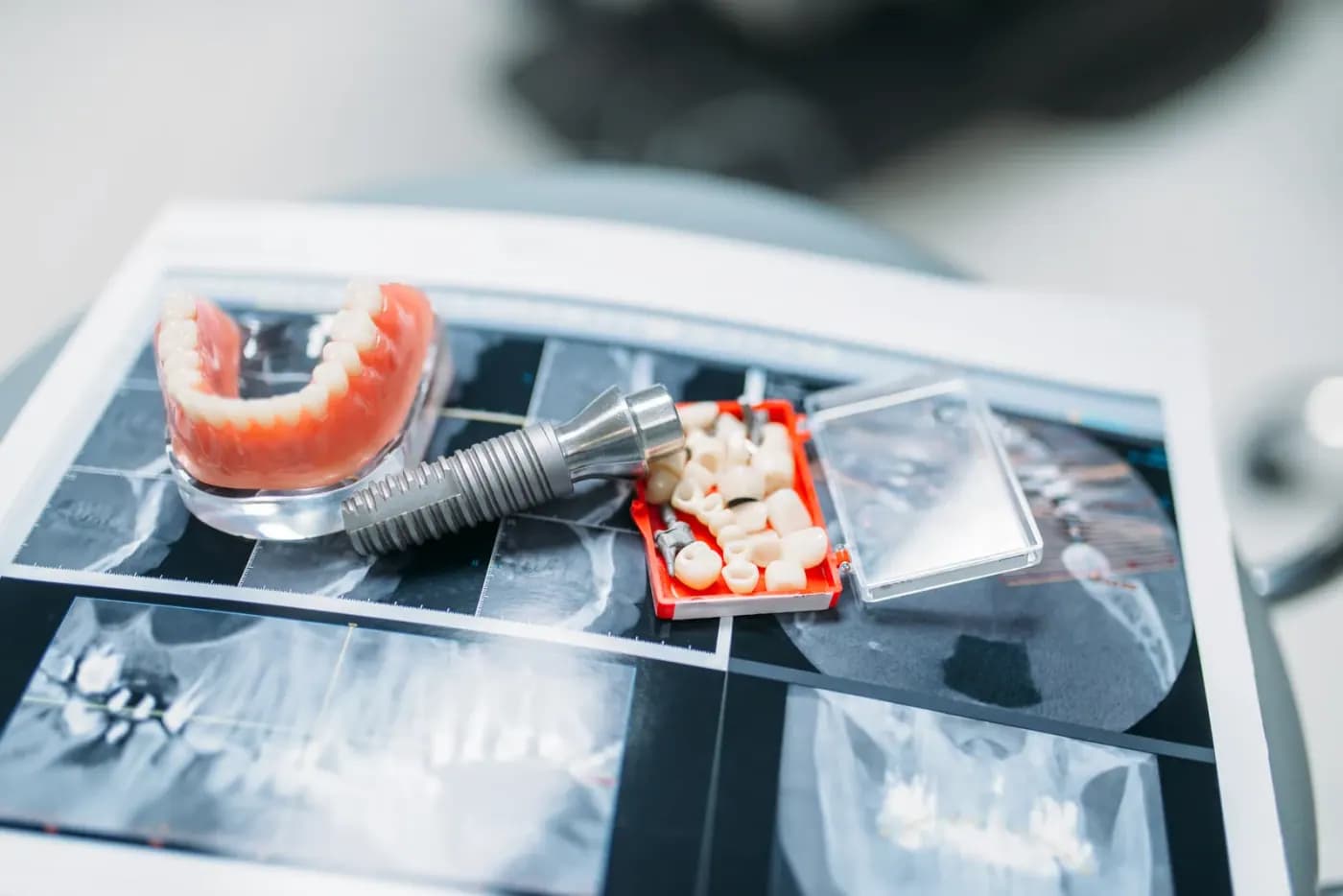
- Initial examination and imaging — Intraoral examination, panoramic X-ray and, if needed, CBCT to assess bone volume and anatomical structures.
- Treatment plan — Implant count, position, Roxolid or standard model selection, temporary prosthesis need and healing period are put into a written plan.
- Surgical placement — Under local anaesthesia, the implant is placed in the jawbone; procedure duration varies with implant count.
- Healing period — A wait of usually several weeks is planned for osseointegration; temporary prosthesis may be applied.
- Prosthetic stage — When healing is complete, impressions are taken, crown or prosthesis is made in the laboratory and cemented or screwed in place.
- Follow-up and maintenance — Periodic check-ups and hygiene instruction are recommended.
For international patients, travel schedule is optimised around these stages; in some cases, surgery + temporary prosthesis in one trip and permanent prosthesis on a second trip may be planned.
Healing Time and Expectations
Healing time depends on bone quality, implant count, general health and factors such as smoking. With SLActive surface systems, the manufacturer may anticipate shorter fusion times in some cases; however, these projections do not apply to every patient. Fusion in the lower jaw often progresses faster than in the upper jaw. In the first days after the procedure, mild swelling, sensitivity or bruising may occur; following medication and care instructions recommended by the clinician is important. Exact duration and loading time are clarified only at follow-up examinations.
Straumann in All-on-4 and Fixed Prosthesis Protocols
In patients with total edentulism or advanced tooth loss, All-on-4 or All-on-6 protocols placing a fixed prosthesis on a small number of implants may be evaluated. Straumann BLX and Bone Level systems may be part of these protocols in suitable bone anatomy. In these plans, implant angle, bone volume and chewing force distribution are critically important. Narrow bone, sinus volume or previous surgical history may require additional procedures such as bone grafting or sinus lift. Temporary fixed prosthesis may be applied the same day or within a short time; permanent prosthesis is produced after healing is complete.
Long-Term Care and Implant Lifespan
Bone fusion with the implant begins at the surgical stage; long-term success depends on hygiene and follow-up. Brushing twice daily, interfacial cleaning (interdental brush, water flosser) and at least one dental check-up per year are recommended. If bruxism is present, night guard use may help reduce load on implant and prosthesis. If you notice redness, bleeding or pain around the implant, contact your clinic without delay. No definite lifespan can be promised for any brand or system; regular maintenance increases the likelihood of extended service life.
Straumann or Another Brand?
Straumann is often evaluated alongside Nobel Biocare, MegaGen and Osstem. Nobel Biocare is also positioned in the premium segment; MegaGen and Osstem may stand out in plans seeking cost-performance balance. For detailed comparison, see our Straumann vs MegaGen and implant brands guide articles.
| Criterion | Straumann | Mid segment (e.g. MegaGen) |
|---|---|---|
| Price segment | Upper (premium) | Mid |
| Clinical data base | Very extensive | Growing |
| Roxolid / SLActive | Available | Different technologies |
| Aesthetic zone | Frequently evaluated | Can be evaluated |
| Bone graft need | Case-dependent | Case-dependent |
The table provides a general framework; individual planning is created after examination. For alternative brands, see our MegaGen implant, Nobel Biocare and Osstem implant pages.
Factors Affecting Price
Main factors affecting the cost of Straumann implant treatment:
- Implant count and position
- Roxolid or standard titanium model selection
- Additional procedures such as bone graft, sinus lift or PRF
- Temporary prosthesis requirement
- Permanent prosthesis type (zirconia, metal-ceramic, etc.)
- Clinical protocol and follow-up sessions
Premium brand selection can increase total cost. Definitive price is determined case by case after examination and imaging. For general price structure, see our dental implant prices page.
Implant Treatment in Turkey and Alanya
Turkey is one of the destinations frequently chosen by international patients for dental implant treatment. The Alanya and Antalya region offers treatment + rest combination with airport access, accommodation options and climate advantage. Premium-segment implants such as Straumann can be evaluated for patients who prioritise long-term planning and spare-part accessibility. To understand regional cost structure, see Why is dental treatment affordable in Turkey?.
What Patients Should Pay Attention To
- Share your full medical history before treatment (medications, chronic conditions).
- Do not compare brands or prices without CBCT and examination.
- Limit smoking and alcohol during healing as recommended by your clinician.
- If using a temporary prosthesis, follow care instructions.
- Do not skip follow-up appointments.
- Premium brand selection does not remove the need for regular maintenance and follow-up.
Related Content
- Implant brands guide
- Straumann vs MegaGen comparison
- MegaGen dental implant
- Dental implant procedures
- Dental implant prices
Conclusion
Straumann implant is a Switzerland-based system positioned in the premium segment that can be evaluated in many cases with suitable bone structure and correct planning. Roxolid alloy and SLActive surface technology offer important options in planning; however, brand selection is personal and does not mean automatic success. A written treatment plan should be created after CBCT imaging and clinical examination. For preliminary assessment, you can fill out the contact form or share photos and X-rays via WhatsApp.