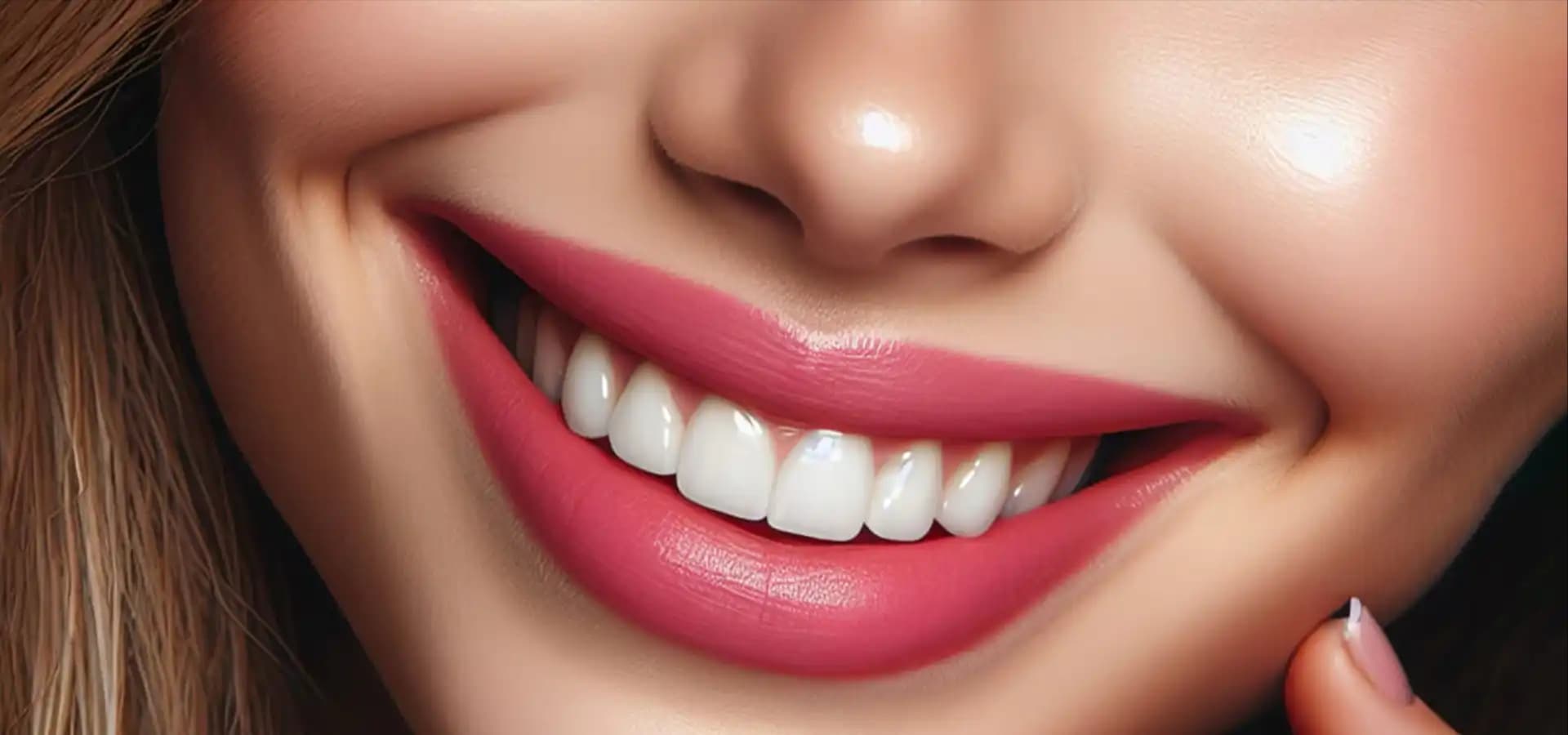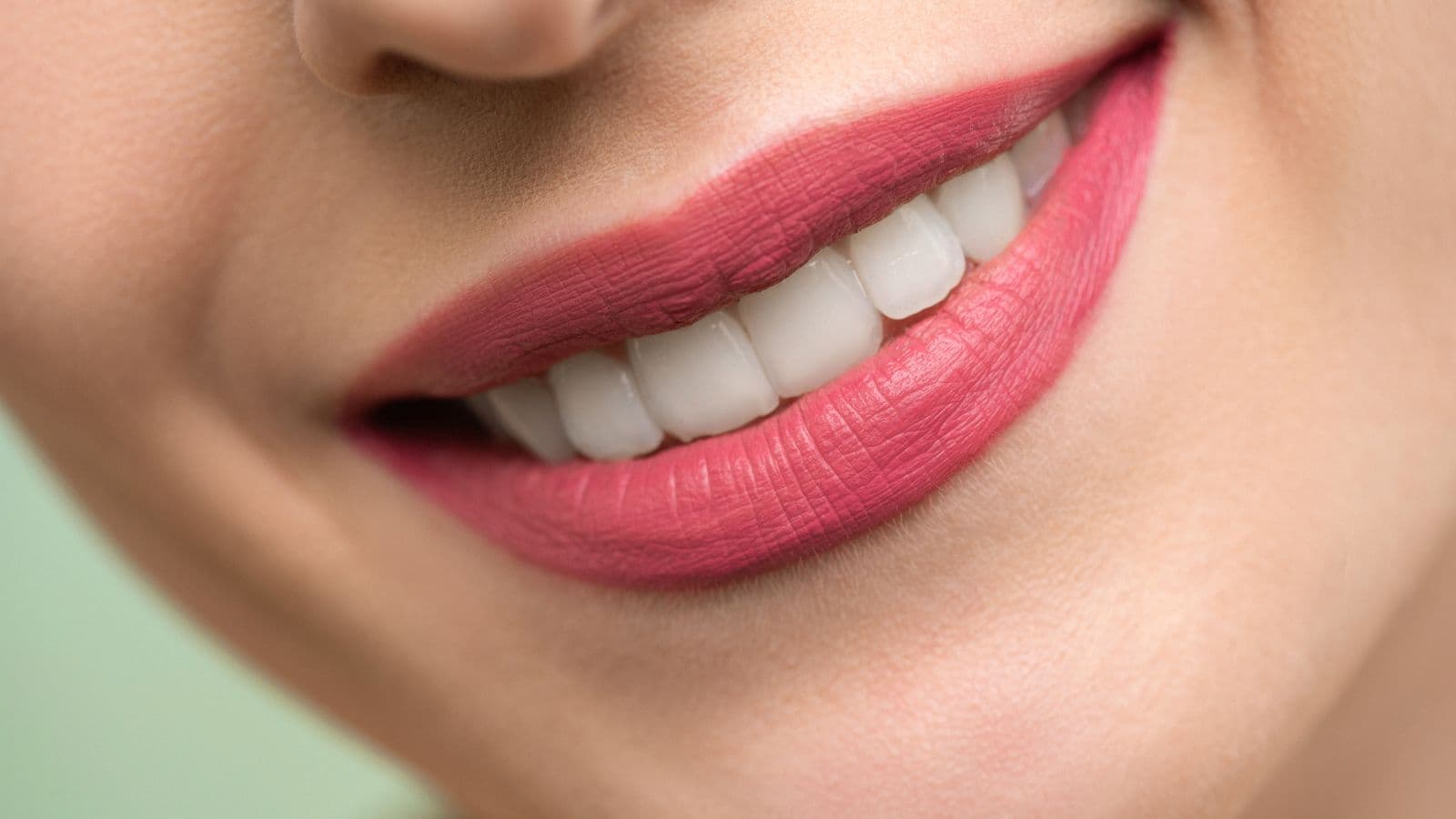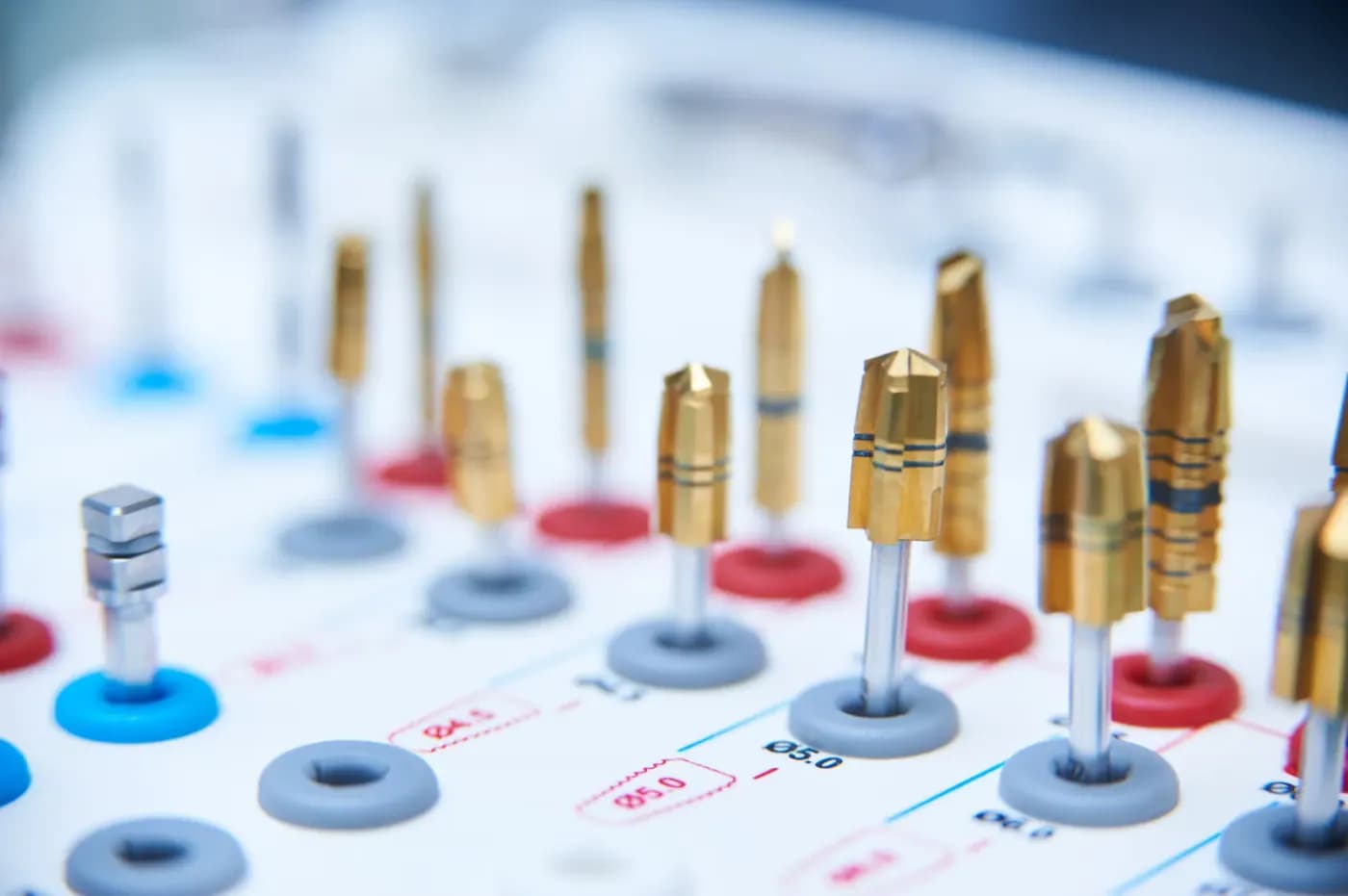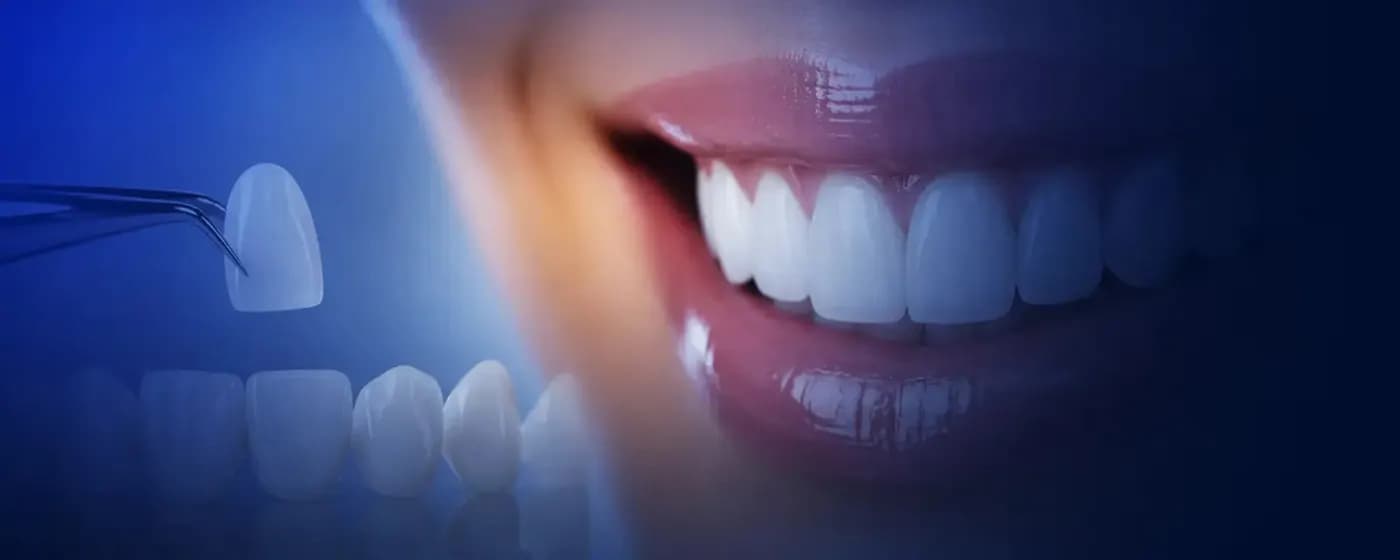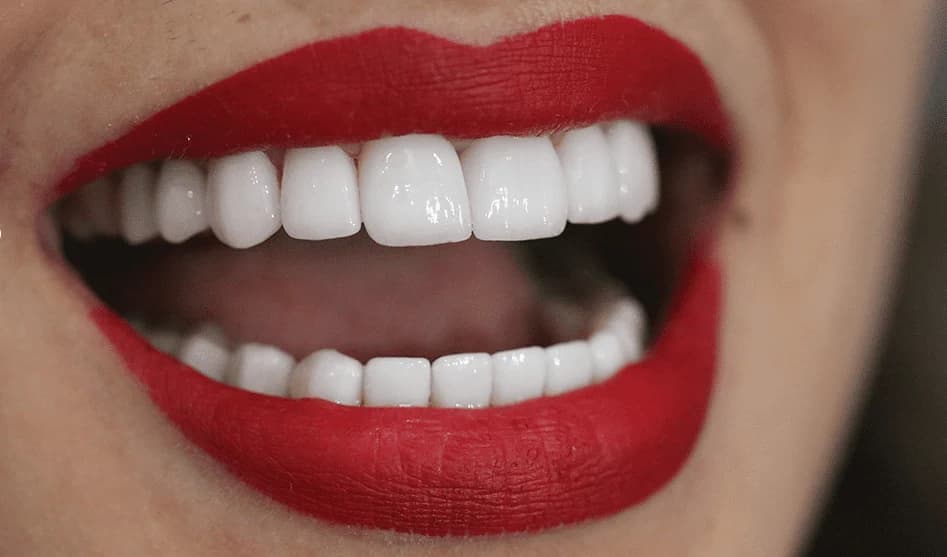
A Hollywood Smile is a comprehensive aesthetic dental treatment that renews the entire smile line through digital smile design, colour and form harmony, and restoration protocols. It is not a single procedure but a treatment plan personalised to the patient's facial structure, lip line and expectations. Although commonly referred to in everyday language as a "Hollywood grin" or "perfect smile," in clinical practice this term describes a holistic aesthetic protocol planned with photographs, video and digital scan data, previewed in advance through a mock-up and delivered with ceramic restorations.
This article is for general information only. The definitive treatment plan, materials to be used and personal suitability are determined only after clinical examination, digital scanning and, where needed, radiographic imaging. Below we walk through what a Hollywood Smile means, which stages it involves, which materials are used and who may be considered for assessment.
Where Does the Hollywood Smile Come From?
The term "Hollywood Smile" originates from the bright, symmetrical and white smiles of film stars reflected on camera in the cinema industry. In aesthetic dentistry, the concept refers to personalised treatment plans that optimise colour, form, size and smile-line symmetry together while preserving a natural appearance. The same "white and large" set of teeth is not applied to every patient; facial proportions, lip movement and the amount of tooth visible during speech are analysed to create a design unique to you.
Modern Hollywood Smile plans are far removed from the traditional "whiten only" approach. Digital smile design (DSD) software works on facial photographs and intraoral scans; the dentist and patient can evaluate the final appearance together before treatment begins. This transparency is one of the most important steps in raising satisfaction rates in aesthetic dental treatment.
What Does a Hollywood Smile Cover?
The process addresses not only the colour of the tooth but also its form, size and alignment symmetry. A typical Hollywood Smile plan includes the following steps:
- Digital face and smile analysis — Facial proportions, the lip line and the amount of tooth visible during speech are studied through photos and video.
- Mock-up (preview) — A model of the final result is temporarily fitted in the mouth, so the patient can see the outcome before treatment.
- Tooth colour and form planning — A whiteness scale is selected in harmony with skin tone, eye and hair colour.
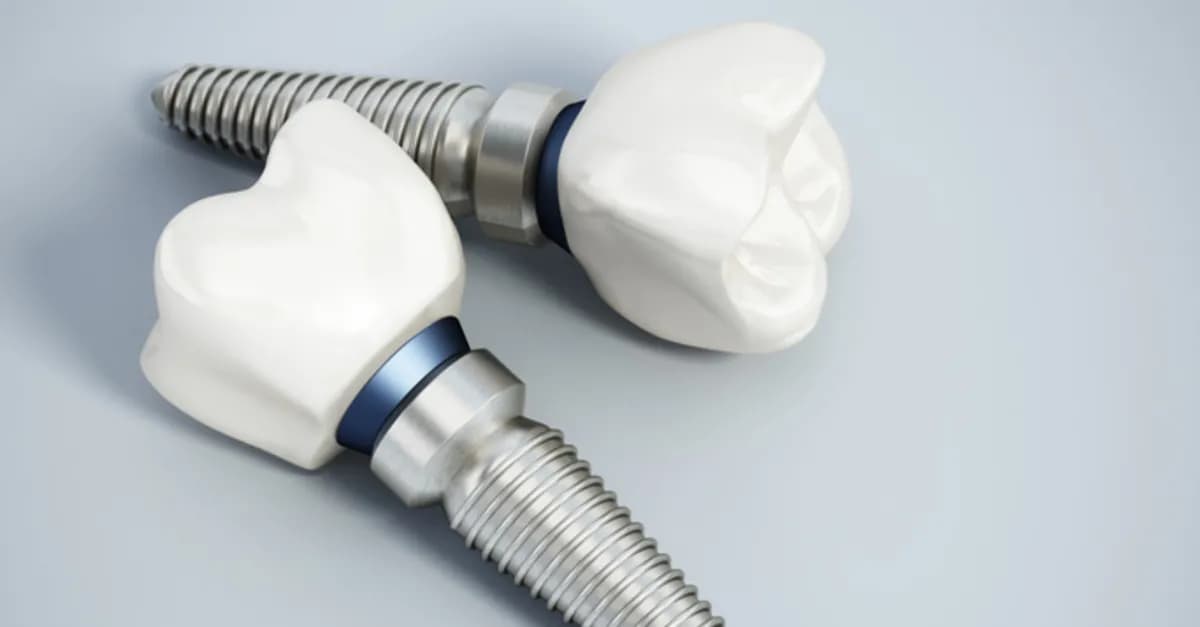
- Restoration placement — Protocols using E-Max and/or zirconia materials are applied, varying by area.
- Gum contouring — Where needed, a "gummy smile" (excessive gum display) is corrected with a laser so the teeth appear proportionate.
In addition, many plans include temporary restorations (provisionals), bite adjustment (occlusal adjustment), gum health assessment and bruxism (teeth grinding) management as part of the process. A Hollywood Smile is not limited to changing the appearance of the front teeth alone; the lower arch, premolar region and gum contour are also part of smile aesthetics.
How Is Digital Smile Design Done?
The heart of a Hollywood Smile is the digital planning stage. When this stage is skipped or rushed, results may not match expectations. A typical digital design process follows these steps:
1. Clinical Examination and Records
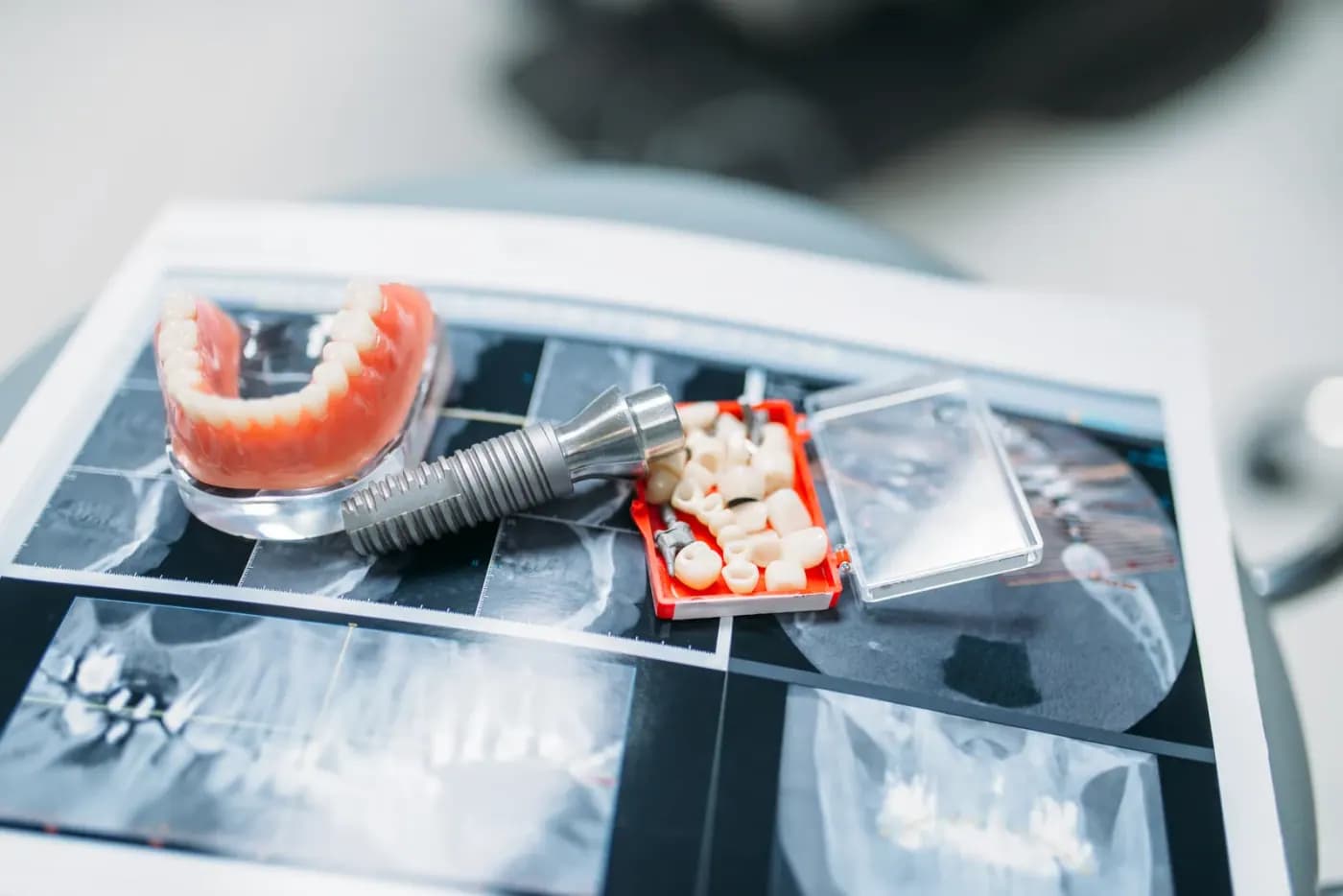
At the first appointment, an intraoral examination is performed; decay, gum disease, missing teeth or previous restorations are assessed. A panoramic X-ray or CBCT (3D tomography) may be requested where needed. Front, side and smile photographs of the face are taken; videos of speaking and smiling are recorded. These visual records are critical for understanding which teeth are visible during lip movement.
2. Digital Scanning and Modelling
A three-dimensional model of the teeth is created with an intraoral scanner or silicone impression. This model is transferred to digital smile design software. The dentist simulates tooth forms, sizes and colour scales in harmony with facial proportions. Aesthetic principles such as the "golden proportion" are used as a guide; however, the same ratio is not applied to every facial structure.
3. Mock-up (Preview)
After the design is approved, the mock-up stage begins. A temporary model of the final restorations — usually composite or acrylic material — is applied to the teeth. The patient can see the new smile in the mirror, in photographs and while speaking. If there is a mismatch with expectations regarding form, size or colour, the design is revised; satisfaction should be achieved before permanent preparation begins.
4. Tooth Preparation and Temporary Teeth
After mock-up approval, the teeth are prepared according to the chosen protocol. With porcelain veneers or E-Max veneer applications, minimal enamel reduction is performed; full crown protocols may require more extensive preparation. Temporary restorations are placed on the prepared teeth; aesthetics and function are maintained during laboratory production.
5. Bonding of Permanent Restorations
The final restorations from the laboratory are tried in; colour, form and bite fit are checked. After approval, they are permanently bonded to the teeth with special adhesives. At the final check, bite adjustment is performed; gum health and comfort are assessed.
These five steps are what distinguish a Hollywood Smile from simple procedures such as "one-day whitening." Each step is based on personalised planning; no standard template is applied.
Which Materials Are Used, and How Are They Chosen?
In the anterior region, E-Max (lithium disilicate ceramic) is often preferred because it reflects light in a way closest to a natural tooth; it stands out in cases with very high aesthetic expectations. The high translucency of E-Max mimics the optical behaviour of natural enamel; for this reason it may reduce the risk of an "artificial" look in the front smile line. Minimal preparation is possible with thin veneer applications.
In the posterior region, or in cases with greater bite force and a risk of bruxism (teeth grinding), zirconia may offer an advantage through its durability. Monolithic zirconia can withstand high chewing forces; biocompatibility is also high. Zirconia is often included in the plan, especially in the lower anterior and premolar areas.
In many cases the two materials are used together in a combined protocol: E-Max in the front for aesthetics, zirconia in the back for durability. This approach balances natural appearance and long-term performance. For a detailed comparison, see our article Zirconia or E-Max?.
Other factors considered in material selection:
- Existing tooth colour and thickness — Very dark or thick teeth may not allow sufficient coverage with thin veneers alone.
- History of bruxism — If active teeth grinding is present, a more durable material and night guard are planned.
- Bite relationship — Deep bite or crossbite may require additional preparation.
- Laboratory quality — The same material can produce different aesthetic results in different laboratories.
When requesting a quote, it is helpful to ask which brand and production system will be used, the quality of temporary teeth and material certification.
Hollywood Smile vs Teeth Whitening, Orthodontics and Crowns
Confusing a Hollywood Smile with other aesthetic options is common. A brief comparison:
| Treatment | What does it do? | When is it preferred? |
|---|---|---|
| Teeth whitening | Lightens existing tooth colour | Colour issue only, form already acceptable |
| Orthodontics | Aligns teeth, corrects bite | Crowding, bite problems |
| Porcelain veneer | Thin ceramic layer on the front surface | One or a few teeth, minimal correction |
| Full crown | Completely covers the tooth | Large decay, fracture, previous large filling |
| Hollywood Smile | Colour + form + symmetry + smile line | Comprehensive aesthetic renewal |
Teeth whitening can be part of a Hollywood Smile; however, whitening alone does not solve form, size or symmetry issues. Orthodontics may be required as preparation before a Hollywood Smile in some cases; with significant crowding, alignment should come first. A Hollywood Smile covers the restoration protocols that create the final aesthetic layer.
How Long Does the Process Take?
Although it varies with case complexity, digital design and impressions are completed on day one, laboratory production runs in parallel, and bonding of the restorations plus final checks are completed over the following days. A typical timeline:
- Day 1: Examination, scanning, photos/video, start of digital design, mock-up planning.
- Days 2–3: Mock-up application and approval; tooth preparation, temporary teeth.
- Days 4–7: Laboratory production (this period depends on clinic and laboratory capacity).
- Final day: Try-in, bonding, bite adjustment, check.
Additional treatments — root canal therapy, gum contouring, implants or orthodontic preparation — can extend the timeline. For international patients, treatment is usually integrated into a travel programme; for details, see How many days does it take in Turkey?.
Who Can Be Considered?
Patients with crowding, discolouration, tooth size discrepancies, gaps between teeth (diastema) or smile-line asymmetry are assessed for suitability after examination. A Hollywood Smile is often discussed in the following situations:
- Discoloured or stained teeth — Cases where whitening alone does not produce sufficient results.
- Small or short teeth — Proportion deficiency in the smile line.
- Gapped front teeth (diastema) — Unwanted spaces.
- Old fillings and fractures — Need for aesthetic restoration.
- Gummy smile — Excessive gum display when smiling.
- Asymmetric smile line — Imbalance in tooth size or alignment.
Where there is active gum disease or untreated decay, basic treatments are completed first. Definitive suitability is determined only through clinical examination and digital scanning.
Who May Not Be Suitable?
Not every aesthetic treatment suits everyone. Situations carefully evaluated before a Hollywood Smile plan:
- Active periodontitis (gum disease) — Gum health should be established first.
- Uncontrolled bruxism — Places extra load on restorations; night guard and bite plan are needed.
- Insufficient tooth structure — Very thin or heavily worn enamel may require alternative protocols.
- Expectation management — Unrealistic aesthetic demands should be addressed at the mock-up stage.
- Significant orthodontic issues — Orthodontics or surgical preparation may be needed first.
These situations do not necessarily rule out a Hollywood Smile entirely; they change the plan and timeline. A transparent clinic shares suitability limits clearly at examination.
Preparation Types: Prep, Minimal Prep and No-Prep
Tooth preparation in a Hollywood Smile is one of the topics patients ask about most. There are three main approaches:
Prep (prepared) protocol: A specific thickness of enamel is removed from the tooth surface; usually between 0.3 and 0.7 mm. This may be necessary for the restoration to look natural and for the adhesive to bond properly. The procedure is irreversible; however, modern minimal prep approaches aim to preserve as much tissue as possible.
Minimal prep: Very thin reduction is performed only in necessary areas. Commonly used with E-Max veneers.
No-prep (no reduction): When enamel structure and tooth position allow, thin laminates can be applied without cutting the tooth. Not every tooth is suitable; this is determined after examination.
Which protocol is chosen depends on existing tooth colour, thickness, bite relationship and the planned restoration type. We cover preparation types in detail in our veneer guide.
Care and Longevity
With proper care, E-Max and zirconia restorations may last 10–15 years or longer. Recommendations for long-term performance:
- Brushing twice daily and interdental cleaning (dental floss or interdental brush).
- Avoiding hard or sticky foods — Ice, hard nuts and sticky sweets can damage restorations.
- Night guard — Essential if you have bruxism; grinding places extra load on restorations.
- Regular dental check-ups — At least once a year; gum health and restoration condition are monitored.
- Smoking and heavily coloured drinks — Can affect gums and composite margins over time.
Restoration colour is chosen at the start of treatment and cannot be changed later with whitening. If whitening is planned, it should be completed before restorations.
What You Should Know
- With a mock-up, the result can be seen before treatment — no surprises.
- Material choice (E-Max/zirconia) is personalised according to tooth position.
- Average duration ranges from a few days to a few weeks.
- With proper care, restorations may last 10+ years.
- For the factors that affect pricing, see this article.
Hollywood Smile in Turkey
The Alanya and Antalya region offers international patients a combination of treatment and holiday; the Mediterranean climate and seaside accommodation options can make the recovery period comfortable. Aesthetic dental treatments in Turkey are on the radar of international patients thanks to experienced clinical teams, modern digital infrastructure and laboratory networks. You can find the structural reasons behind the regional cost advantage in this analysis.
Before travelling to Turkey, you can receive a preliminary assessment based on photos and X-rays; however, the definitive plan is created only after intraoral examination and digital scanning. Keep your travel plan realistic; most Hollywood Smile protocols require at least two clinic visits and laboratory time.
Related Content
- What affects the prices?
- Veneer guide: what to know before veneers
- Zirconia or E-Max?
- Before and after gallery
Conclusion
A Hollywood Smile is planned individually; thanks to the digital mock-up, you can decide having already seen the result. Colour, form, symmetry and the smile line are addressed together; the treatment is not limited to a single procedure. Clarifying your expectations before treatment, understanding material choice and building a realistic travel plan are the foundations of a successful experience. Request a free preliminary assessment via contact; a plan unique to you is created after examination and digital analysis.