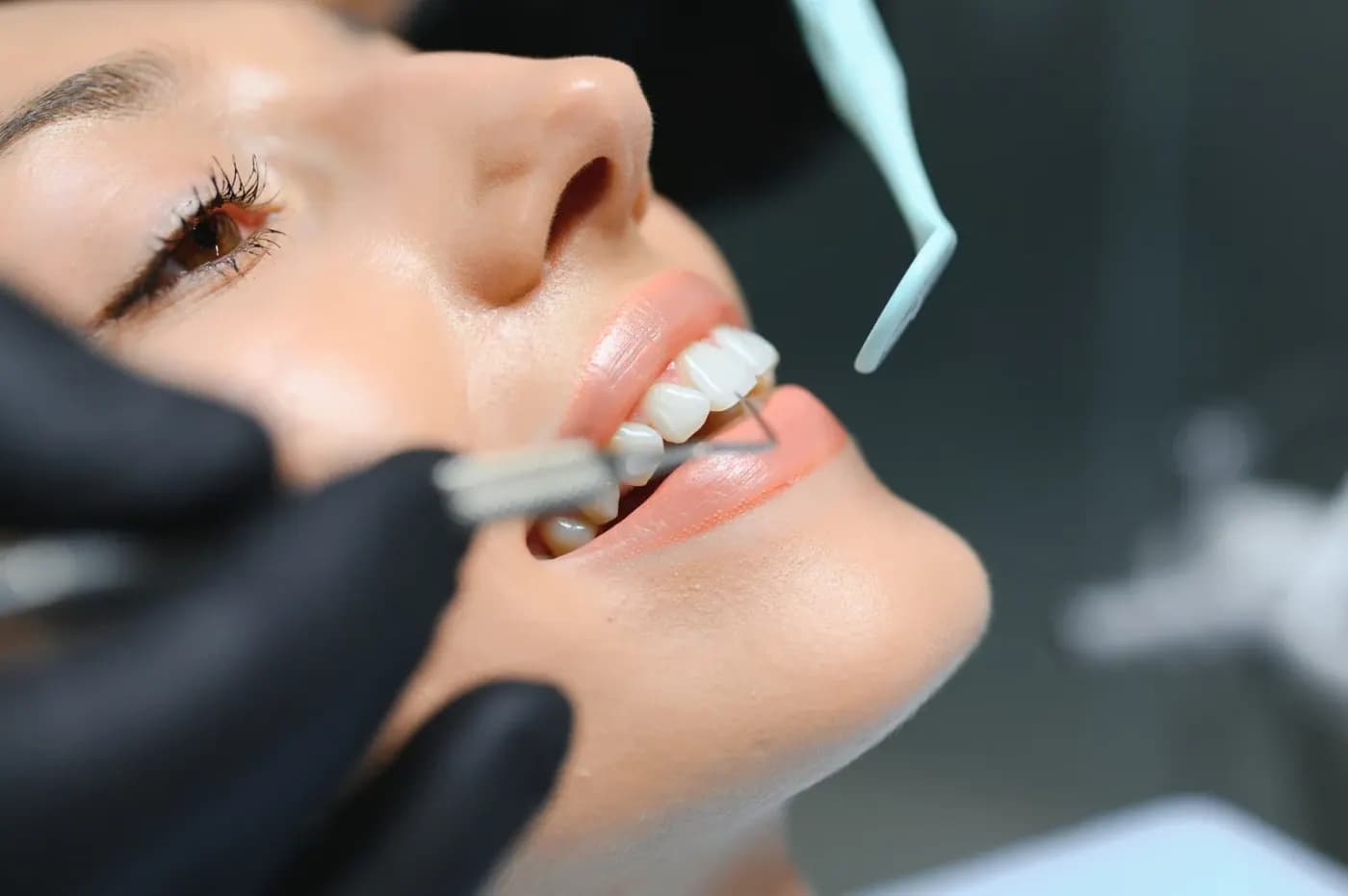
Metal-supported porcelain (PFM — porcelain-fused-to-metal) and zirconia crowns are the two crown materials most often compared in dentistry. Both are used to restore damaged or aesthetically inadequate teeth, build bridges and restore chewing function. However, their structure, aesthetic performance and long-term behaviour differ considerably.
There is no single correct answer to "which is better?" The right choice depends on the tooth's position in the mouth, gum health, your aesthetic expectations, budget and medical history. In this guide we compare both materials in detail, explain which comes out ahead in which situation and what to pay attention to when deciding.
Comparison Table
| Feature | Metal-Supported Porcelain (PFM) | Zirconia |
|---|---|---|
| Substructure | Metal alloy (chromium-cobalt, nickel or gold) | Full ceramic (zirconium dioxide) |
| Aesthetics | Medium–good (metal reflection risk) | High (natural translucency) |
| Durability | Very high | High–very high |
| Gum compatibility | Good; grey margin risk | Generally better, no metal margin |
| Biocompatibility | Risk with metal sensitivity | Metal-free, biocompatible |
| Porcelain fracture | Metal–porcelain separation risk | Low (in monolithic structure) |
| Cost | Generally more economical | Generally higher |
| Front tooth suitability | Limited aesthetics | Very suitable |
| Back tooth suitability | Very suitable | Very suitable |
| Radiographic visibility | Metal substructure visible | More transparent |
What Is Metal-Supported Porcelain (PFM)?
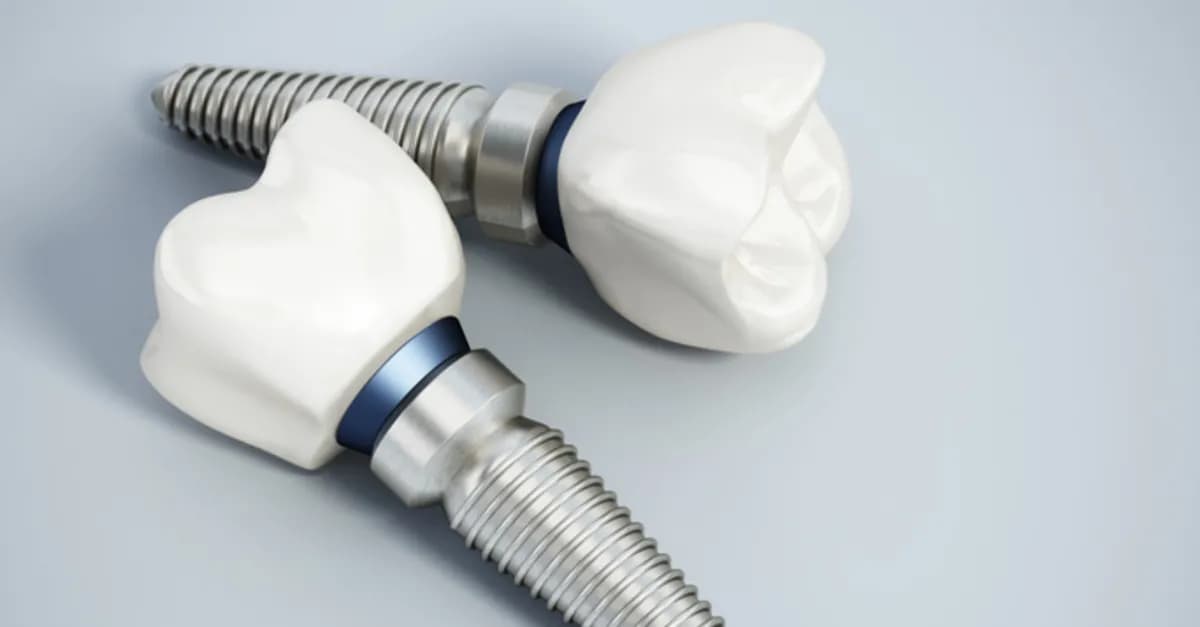
Metal-supported porcelain is, as the name suggests, a two-layer restoration. Inside is a metal substructure providing durability; on top, porcelain layers are fired for aesthetic appearance. This system has been widely used since the 1960s and has a proven track record in millions of patients.
The metal substructure is usually made from chromium-cobalt, nickel-chromium or gold alloy. Chromium-cobalt is the most common and economical option; gold alloy offers better biocompatibility but costs more. The porcelain layer is tinted to tooth colour for natural appearance; however, presence of the metal substructure can create aesthetic limits, especially with thin gums or gum recession.
Find process, price and indication details on our metal-supported porcelain treatment page.
Advantages of PFM
PFM's most distinctive strength is decades of clinical history and proven durability. The metal substructure provides reliable support in long bridges and posterior teeth under high chewing force. It is generally a more economical option than zirconia. Flexibility and strength of metal substructure in very long-span bridges (covering multiple gaps) remain reasons it is still chosen.
Disadvantages of PFM
Aesthetics is PFM's weakest point. Because the metal substructure blocks light, crown translucency (light transmission) is limited. A grey or dark margin (metal margin) can appear at the gum line; this creates noticeable aesthetic problems especially on front teeth along the smile line. When gums recede the metal margin becomes even more visible.
There is also risk of porcelain layer separating from metal (chipping or delamination). This can occur especially when biting hard foods or after trauma. Patients with metal allergy or sensitivity (nickel, chromium) may face biocompatibility problems.
What Is a Zirconia Crown?
A zirconia crown is a full-ceramic (metal-free) restoration. It is made from high-strength zirconium dioxide (ZrO₂) ceramic. Modern CAD/CAM technology shapes it after digital scanning via computer-aided milling; then it goes through sintering (firing) in a furnace.
Zirconia offers colour and translucency close to natural enamel. Because it contains no metal, it does not carry grey reflection risk at the gum line. Biocompatibility is high; it shows good harmony with gum tissue and allergic reaction risk is minimal. On our zirconia crowns page you can find treatment process, price range and FAQs.
Today two main zirconia types are used: monolithic (single colour, high durability) and multilayer (multi-layer, high aesthetics). Multilayer systems mimic natural tooth appearance very closely through different opacity and translucency layers. In the full-ceramic crowns category zirconia is the most commonly chosen material.
Advantages of Zirconia
Aesthetically zirconia offers clear superiority over PFM. Without metal reflection, consistent natural appearance is achieved on both front and back teeth. Gum compatibility is generally better; even with gum recession aesthetic loss stays minimal.
Not containing metal is a major advantage for biocompatibility. It is a safe alternative for patients with metal allergy. Fracture resistance (flexural strength) is very high; this makes it reliable in posterior teeth and cases with bruxism (teeth grinding) risk.
CAD/CAM production allows precise fit. Digital scanning and milling offer less margin of error than traditional impression methods.
Disadvantages of Zirconia
Cost is zirconia's most frequently cited disadvantage. Production technology and material cost are higher than PFM. However, reduced need for aesthetic revision long term can partly balance this difference.
In very long bridges (4 units and above) the flexibility advantage of metal substructure may favour PFM in some cases; however, modern high-strength zirconia systems are increasingly closing this gap.
Aesthetic Comparison: It Makes a Difference on the Smile Line
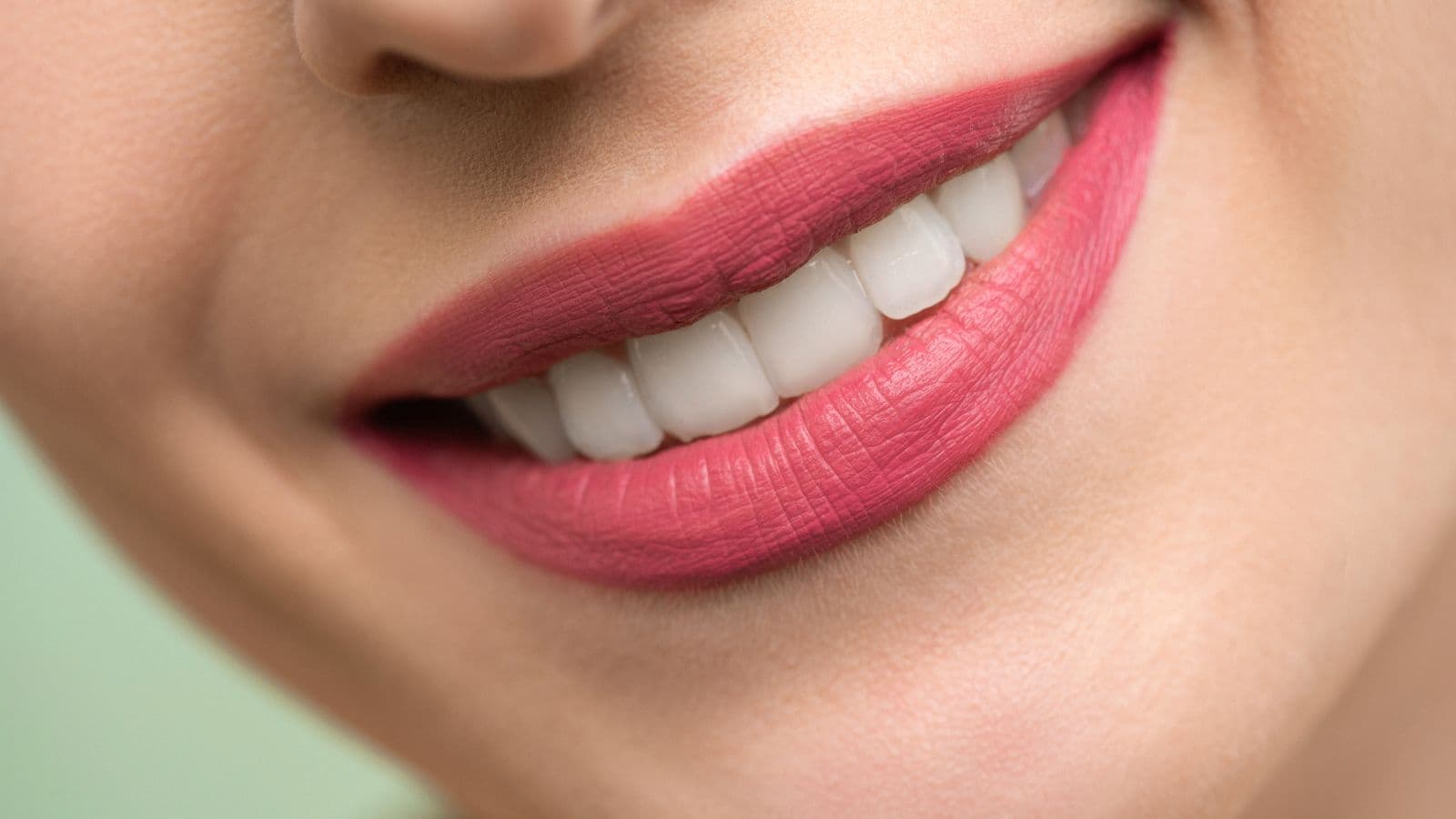
Aesthetic expectation is one of the most decisive factors in material choice. On front teeth — the zone visible when speaking, smiling or eating — zirconia is almost always preferred over PFM.
In PFM the metal substructure blocks light so depth and natural shine of the crown stay limited. Especially in single-tooth restorations, matching colour with adjacent natural teeth can be harder. Grey margin risk at the gum line is a serious disadvantage for patients with high aesthetic expectations.
In zirconia, multilayer systems mimic natural enamel and dentin structure through different opacity layers. Light transmission is much closer to natural teeth. Without metal margin risk, aesthetics are preserved even when gums recede.
On back teeth the aesthetic difference is less obvious because this zone is rarely seen in daily life. However, patients with a wide smile may need aesthetic evaluation of back teeth too.
In comprehensive smile design plans such as Hollywood Smile, full-ceramic materials (zirconia or E-Max) are usually preferred. For material comparison see also zirconia or E-Max?.
Durability and Lifespan: Which Lasts Longer?
Both materials can be used trouble-free for many years with correct indication and regular care. PFM has a proven track record exceeding 20–30 years of clinical history. Metal substructure strength offers reliable performance in long bridges and posterior teeth under high force.
Zirconia is stronger than natural enamel in fracture resistance (flexural strength). Monolithic zirconia is used safely especially in the posterior zone where high durability is required. In multilayer zirconia aesthetic layers are somewhat thinner so surface wear risk under extreme force is theoretically higher; in daily use this difference rarely causes problems.
The most common mechanical problem in PFM is porcelain layer separating from metal (chipping). This is usually repairable; however, serious cases may require crown renewal. In monolithic zirconia this separation risk does not exist.
Patients with bruxism (teeth grinding) history should protect both materials with a night guard. Zirconia's high fracture resistance adds extra assurance for patients with bruxism. For detail on bruxism see this article.
Biocompatibility and Gum Health
Biocompatibility describes how well a material harmonises with oral tissues. Zirconia offers clear advantage in this area.
Metal alloys used in PFM (especially nickel-containing ones) can cause allergic reaction, gum inflammation or metal taste in some patients. Nickel sensitivity is quite common in the population; therefore PFM should be evaluated carefully in patients with metal allergy history. Gold-alloy PFM reduces this risk but increases cost and does not solve metal reflection.
Zirconia contains no metal. It shows good harmony with gum tissue; gum recession rate is generally lower than PFM. Plaque accumulation and gum inflammation risk are minimal. These features matter especially for patients with gum disease history or long-term aesthetic goals in the aesthetic zone.
When Is Metal-Supported Porcelain Preferred?
PFM remains a valid and effective option in certain cases:
- Budget priority on back teeth: Where aesthetic expectation is low in the posterior zone, PFM may be chosen for cost optimisation.
- Very long bridges: Metal substructure strength can be an advantage in long-span bridges covering multiple gaps.
- Limited interocclusal space: If bite clearance between teeth is very limited, porcelain on thin metal substructure may be possible.
- Continuation of existing PFM crowns: If PFM crowns are already in the mouth and the patient is satisfied, continuing with the same material maintains consistency.
For general information and comparison of all crown types see our dental crowns treatment page.
When Is Zirconia Preferred?
Zirconia is the most chosen crown material in modern aesthetic dentistry:
- Front tooth aesthetics: Zirconia is ideal for natural translucency and colour harmony on teeth along the smile line.
- Cases where gum line is visible: With thin gum type or gum recession risk, aesthetics are preserved without metal margin risk.
- Metal allergy or sensitivity: Safe alternative for patients with nickel, chromium or other metal allergies.
- Single tooth restorations: Zirconia stands out when perfect aesthetic match with adjacent natural teeth is targeted.
- Implant-supported crowns: Zirconia is widely used in implant-supported single tooth or bridge restorations.
- Comprehensive smile renewal: Full ceramic is preferred in Hollywood Smile and smile design plans.
To evaluate whether zirconia is suitable for every case read who is not suitable for zirconia crowns?.
Treatment Process: Is There a Difference Between the Two?
Treatment process is broadly similar for both materials; differences appear more in production technology.
Shared steps: Examination and X-ray → treatment plan → tooth preparation (reduction) → impression → temporary crown → laboratory production → try-in and placement.
PFM production: After traditional impression or digital scan, metal substructure is produced by casting or CAD/CAM; porcelain layers are applied by hand or machine on top.
Zirconia production: After digital scan (intraoral scanner), crown is shaped from zirconia block via CAD/CAM milling. In multilayer blocks aesthetic layers are pre-defined. Characterisation (colour detail) can be added after sintering.
Before getting crowns in Turkey see our 5 things guide. Most cases complete within 4–7 days in two clinic visits.
Cost Comparison
Cost is an important factor influencing many patients' decisions. Generally metal-supported porcelain is a more economical option than zirconia. Price difference varies by tooth count, metal type used (chromium-cobalt vs gold alloy) and clinic location.
Zirconia's higher cost comes from CAD/CAM production technology, material quality and laboratory workmanship. Long term, reduced aesthetic revision need, gum compatibility and patient satisfaction can balance the value zirconia offers against the cost difference.
For general information on dental treatment cost advantage in Turkey see this article. Personal examination and treatment plan are required for an exact quote.
Care Tips for Long Lifespan
Whichever material you choose, follow these rules to extend crown lifespan:
- Brush twice daily and use floss/interdental brushes
- Avoid biting hard objects (pens, ice, nut shells)
- Use a night guard if bruxism is present
- Dental check-up every six months
- Professional scaling and cleaning
With correct care and regular check-ups both PFM and zirconia crowns can serve 15–20 years and beyond without problems.
Conclusion: Which Should You Choose?
Metal-supported porcelain and zirconia are two proven materials with different strengths. PFM remains valid for durability and economy; zirconia is the leading choice of modern dentistry for aesthetics, biocompatibility and gum compatibility.
In summary:
- Aesthetic priority, front teeth, metal allergy → Zirconia
- Back teeth, budget priority, long bridge → PFM may be evaluated
- Comprehensive smile renewal → Zirconia or combined protocol
- Dissatisfaction with existing PFM → Transition to zirconia possible
Final material choice should be made after digital scanning, bite analysis and personal examination. Review our zirconia crowns page for treatment details and build your personal plan with free consultation.