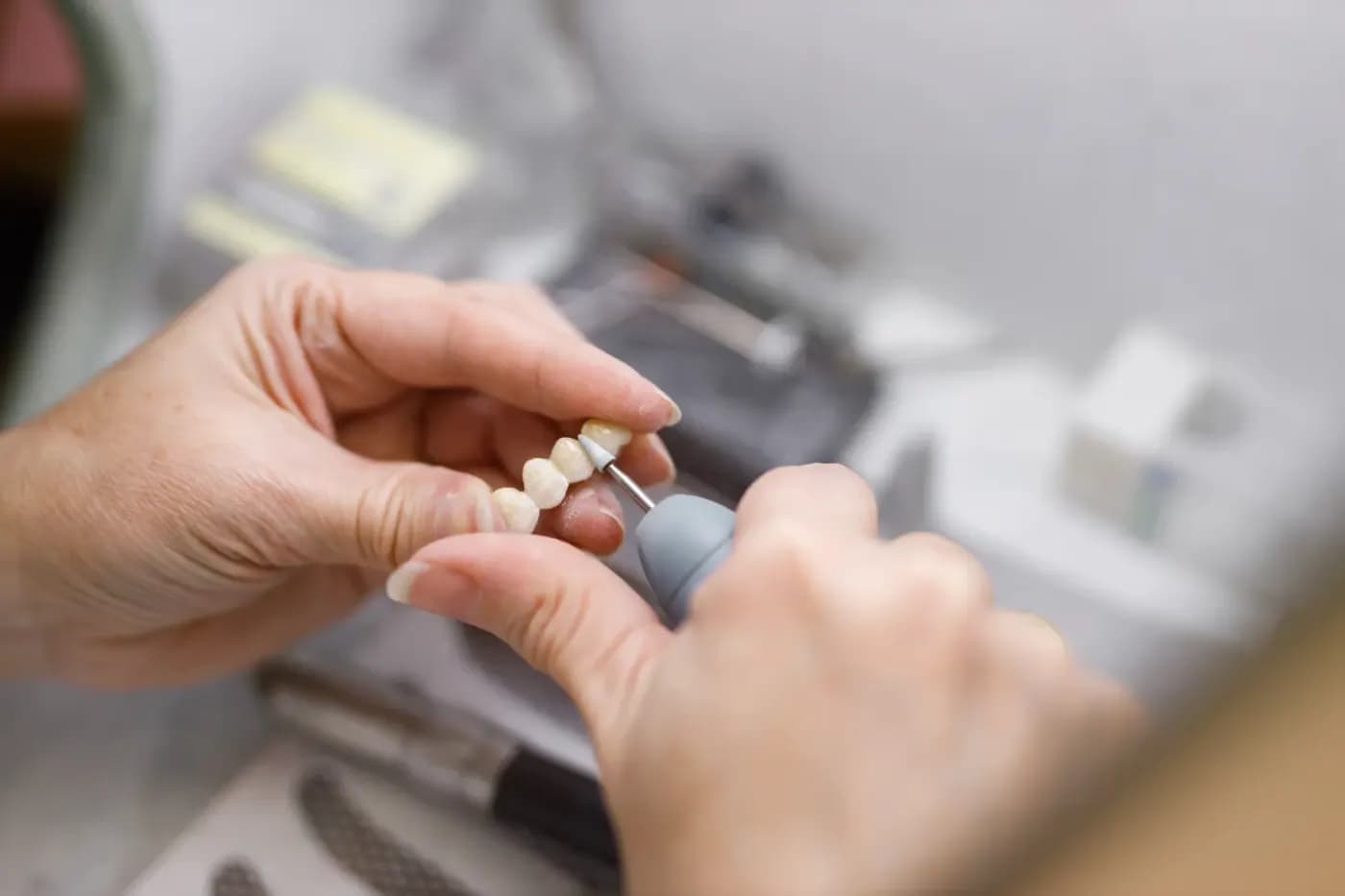
Zirconia dental crowns have become one of the most requested restoration types in recent years thanks to high durability, metal-free structure and improving aesthetic performance with modern multilayer systems. Especially in Hollywood Smile and full-mouth rehabilitation plans, zirconia crowns come up frequently. However, "most popular" and "right for every case" are not the same thing.
For some patients, zirconia crowns should not be applied immediately, or ever; another treatment must be completed first, a different material should be chosen, or expectations should be reframed realistically. This guide explains who zirconia dental crowns are not suitable for, the clinical logic behind that decision and possible alternatives for informational purposes.
Medical notice: This content provides general information; it does not diagnose, offer personal treatment advice or guarantee recovery. Decisions about your oral health should only be made after dental examination, radiography if needed and individual assessment. In cases of sudden severe pain, swelling, fever or trauma, seek medical care without delay.
What Is a Zirconia Crown? (Brief Reminder)
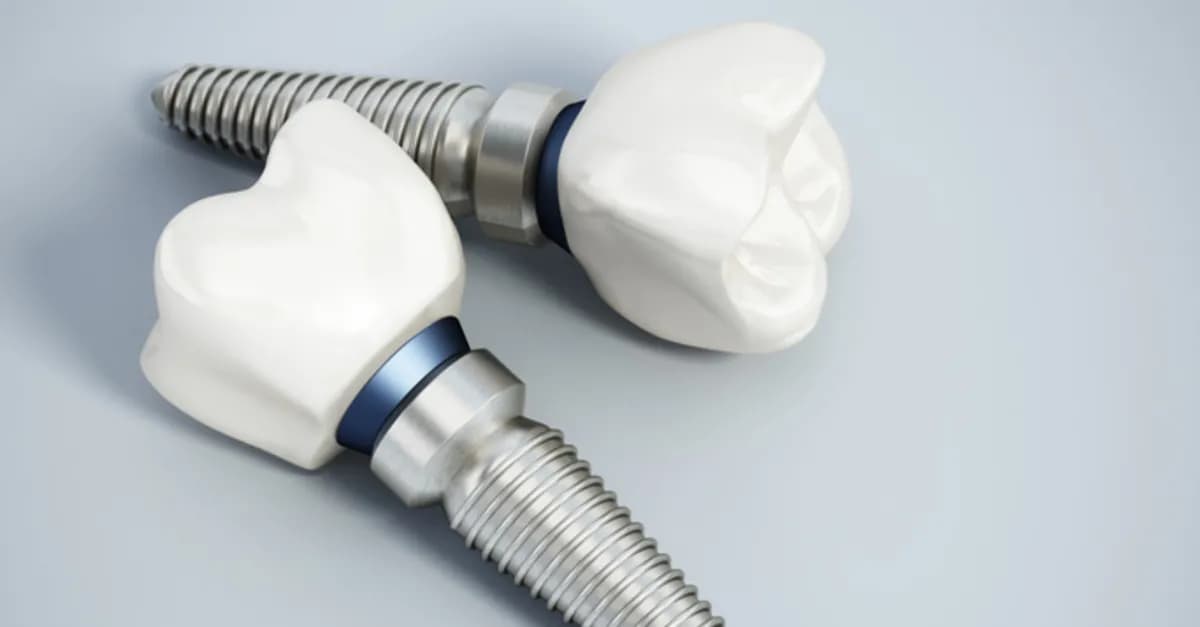
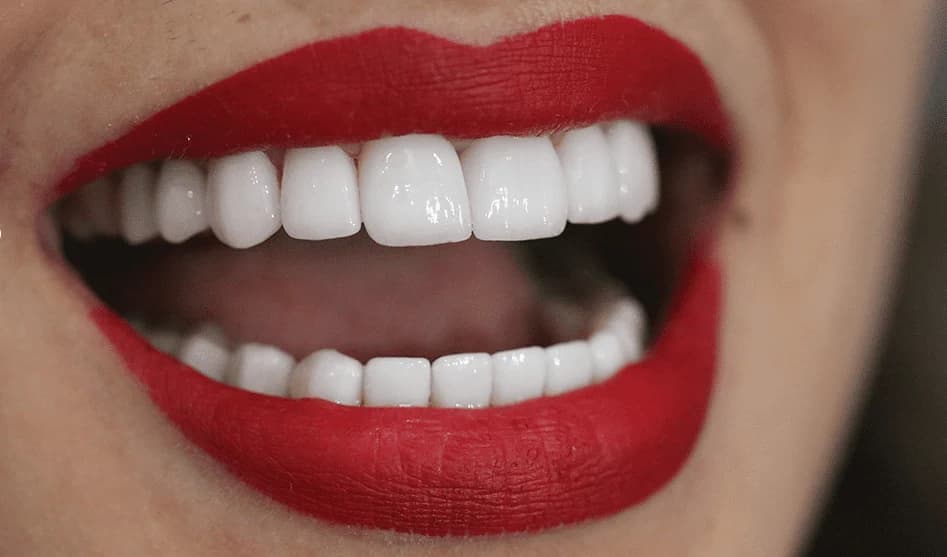
A zirconia crown is a full-ceramic restoration based on zirconium dioxide (ZrO₂). It is produced from digital impressions via CAD/CAM technology; it can be used on both front and back teeth in monolithic or multilayer forms. Because it contains no metal substructure, it does not carry grey reflection risk at the gum line; biocompatibility is high. It is one of the most common choices in the full-ceramic crowns category.
Although its strengths are well known, every patient's mouth structure, biting dynamics and expectations differ. In the sections below we detail situations where zirconia should be deferred, planned together with other treatment or redirected to an alternative material.
Absolute vs Relative Contraindication: What Is the Difference?
In dentistry, contraindications are considered in two groups:
- Absolute contraindication: Treatment should not be applied in the current condition; another intervention is mandatory first or the restoration must be replaced entirely with a different plan.
- Relative contraindication: Zirconia may be technically feasible; however, risk–benefit balance may be unfavourable, extra precautions may be needed or another material may give a more suitable result.
This distinction helps you understand the difference between "I cannot have zirconia" and "I should not have zirconia right now." Final classification is made after examination.
1. Active or Untreated Gum Disease
Periodontitis (advanced gum disease) or uncontrolled gingivitis is one of the most common obstacles before zirconia crowns. Cementing permanent crowns while active infection and inflammation are present can:
- Increase risk of gum recession
- Create conditions for leakage and secondary decay at the crown margin
- Shorten restoration lifespan long term
Scaling, root surface smoothing, surgical periodontal treatment if needed and gum stabilisation are targeted first. After gum health is restored, the dental crowns or crown stage follows. Regular maintenance and check-up appointments remain essential after treatment; otherwise new crowns may face the same problems.
2. Uncontrolled Bruxism and Excessive Chewing Force
Bruxism (teeth clenching and grinding) is a critical variable in aesthetic restoration planning. Zirconia is preferred in some cases with bruxism risk because of high fracture resistance; therefore bruxism alone does not mean "zirconia is never done."
However, with uncontrolled, severe bruxism, zirconia crowns should not be planned immediately. Repeated excessive force through the night can lead to:
- Wear on crown surfaces
- Cracks or fractures
- Leakage at cement margins
- Worsening of temporomandibular joint and muscle pain
In this scenario a night guard (splint), stress management, bite adjustment or muscle-relaxing treatment may be considered first. In our article Why do you grind your teeth while sleeping? you can find possible triggers of sleep bruxism. After bruxism management is stable, the zirconia plan is reassessed.
3. Insufficient Tooth Structure and Weak Retention
A crown or cap bonds to remaining tooth structure. In teeth where adequate dentin support no longer remains due to decay, fracture or previous large fillings, a thin zirconia shell alone may not be safe. Especially problematic situations include:
- Thin walls after extensive decay
- Fractured or cracked remaining structure
- Minimal remaining coronal tissue in root-treated teeth
- Suspected hidden decay under old fillings
In these cases post-core (root canal internal support post), additional tooth preparation, different restoration geometry or sometimes dental bridges and implant-supported solutions are evaluated. A "crown on every tooth" approach is not always clinically possible or correct.
4. Active Decay, Infection or Untreated Root Canal Problem
A zirconia crown is an aesthetic outer shell; it does not repair underlying tooth health. Cementing a crown while active decay, periapical lesion (root tip infection) or incomplete root canal treatment is present:
- Continues pain and abscess risk
- Can lead to progressing infection under the restoration
- Requires crown removal later and additional cost
Decay removal, root canal treatment or surgery including apical procedure must be completed first if needed. The aesthetic stage follows once tooth and surrounding tissues are radiographically stable. This sequence is often overlooked in aesthetic dentistry plans but forms the foundation of long-term success.
5. Excessively High Translucency Expectation in the Front Zone
Modern multilayer zirconia systems look much more natural than old monolithic blocks. Still, for top-level light transmission and "glass-like" front tooth aesthetics, E-Max (lithium disilicate) is still considered one step ahead by most dentists.
Zirconia alone may not be sufficient for patients with this profile:
- Those with very thin, transparent natural enamel
- Those wanting maximum naturalness along the smile line
- Those frequently in front of cameras with detailed aesthetic demands
In this case E-Max crowns or laminate veneers in the front zone and combined protocols with zirconia in the back are considered. For material comparison see Zirconia or E-Max?.
6. Young Age, Wide Pulp and Ongoing Jaw Development
Crowns can be placed after permanent teeth erupt; however, in young adults (especially late teens and early twenties) the pulp chamber may be wide, tooth length short and bite not fully settled. Aggressive tooth preparation:
- Increases pulp (nerve) damage risk
- Can make future orthodontics or additional restoration harder
- Causes irreversible tissue loss
Therefore more conservative options (composite bonding, orthodontics, minimal-prep laminate) may be evaluated first in young patients; zirconia may be deferred. Final decision is made with digital radiography and pulp distance measurement.
7. Short Clinical Crown Height and Deep Gum Pocket
Adequate height on the visible part of the tooth (clinical crown) is needed for crown retention. On teeth that are excessively worn, broken down low or very short after periodontal surgery:
- Crown margin may sit below the gum
- Retention weakens
- Secondary decay and debonding risk increases
In these cases gum contouring (crown lengthening), orthodontic tooth eruption or different restoration design may be needed. Sometimes different substructure options such as metal-supported porcelain are discussed depending on clinical scenario; for comparison see our guide Zirconia or metal-supported porcelain?.
8. Severe Bite Disorder, Deep Bite and TMJ Problems
Zirconia is a hard and durable material; however, with incorrect bite or temporomandibular joint (TMJ) dysfunction, if restoration planning is not careful:
- Point trauma (excessive load on a single tooth) can occur
- Jaw pain and headache may worsen
- Cracks or debonding on crowns may be seen
Bite analysis, joint assessment and splint therapy if needed may be recommended first. After orthodontics or bite correction is completed, the zirconia plan is reconsidered. A "quick crown for aesthetics only" approach can mask underlying functional problems; long term it can lead to both aesthetic and functional issues.
9. Poor Oral Hygiene and Treatment Compliance Problems
Zirconia crowns require good oral hygiene and regular check-ups. Crown margins where restoration meets natural tooth are sensitive to neglected care. These situations count as relative contraindications:
- No regular brushing and flossing
- Frequent recurring decay history
- Tendency to miss check-up appointments
- Heavy smoking without intention to quit
Hygiene education, motivation and professional cleaning if needed are planned first. Restoration is more meaningful when the patient can commit to aftercare. Otherwise even the highest-quality zirconia can cause problems early.
10. Irreversible or Minimal Intervention Expectation
In full zirconia crown protocol a certain amount of tooth tissue must be removed; the procedure is irreversible. If the patient's expectation is:
- Result without any tooth reduction
- Temporary or reversible solution
- Only minor colour correction
zirconia may not be suitable. In this profile composite bonding, minimal-prep laminate or expectation management through smile design mock-up stage takes priority. Pre-treatment digital or physical mock-up is a critical step for both dentist and patient.
11. Seeking Crown-Only Solution for Missing Teeth
In cases with multiple missing teeth, not every problem can be solved with crowns alone. With long-span bridges, mobile teeth or areas with insufficient bone support:
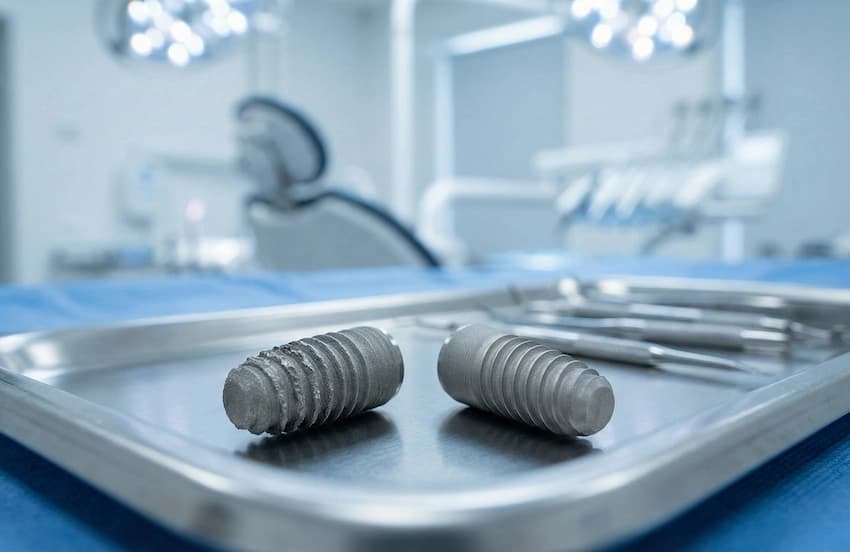
- Dental implant or implant-supported prosthesis
- Partial denture or hybrid solutions
should be considered. Although zirconia is a strong material, closing a missing tooth gap "with crown only" without an implant is not always clinically correct. All-on-4 or similar full-arch rehabilitations require separate planning.
12. Unrealistic Expectations and Psychosocial Factors
Rarely, patient expectations are clinically unattainable: for example colour or form completely contrary to natural tooth structure, constant revision demands or repeating "perfectionist" requests with dissatisfaction history at other dentists. In this situation:
- Obtaining prior approval through mock-up and digital smile design
- Clearly explaining material limits
- Deferring treatment or recommending psychological support if needed
may be considered. Even technically perfect zirconia can lead to dissatisfaction when expectations do not align.
Situation-Based Summary Table
| Situation | Zirconia approach | Possible alternative / preliminary step |
|---|---|---|
| Active gum disease | Should be deferred | Periodontal treatment, then crown |
| Uncontrolled bruxism | Should be deferred | Night guard, bite adjustment |
| Insufficient tooth structure | May not be suitable | Post-core, implant, different crown type |
| Active decay / infection | Should not be applied | Filling, root canal, surgery |
| Maximum front aesthetics | Relative | E-Max, laminate, combined protocol |
| Young patient, wide pulp | May be deferred | Bonding, orthodontics, minimal prep |
| Short clinical crown | Pre-treatment needed | Gum surgery, orthodontics |
| Bite / TMJ problem | Pre-treatment needed | Splint, orthodontics, bite correction |
| Poor hygiene | High risk | Hygiene education, care plan |
| Missing tooth | Insufficient alone | Implant, bridge, denture |
How Does the Process Proceed If Zirconia Is Not Suitable?
At an experienced clinic, suitability assessment usually follows these steps:
- Comprehensive examination: Teeth, gums, joint and bite are reviewed.
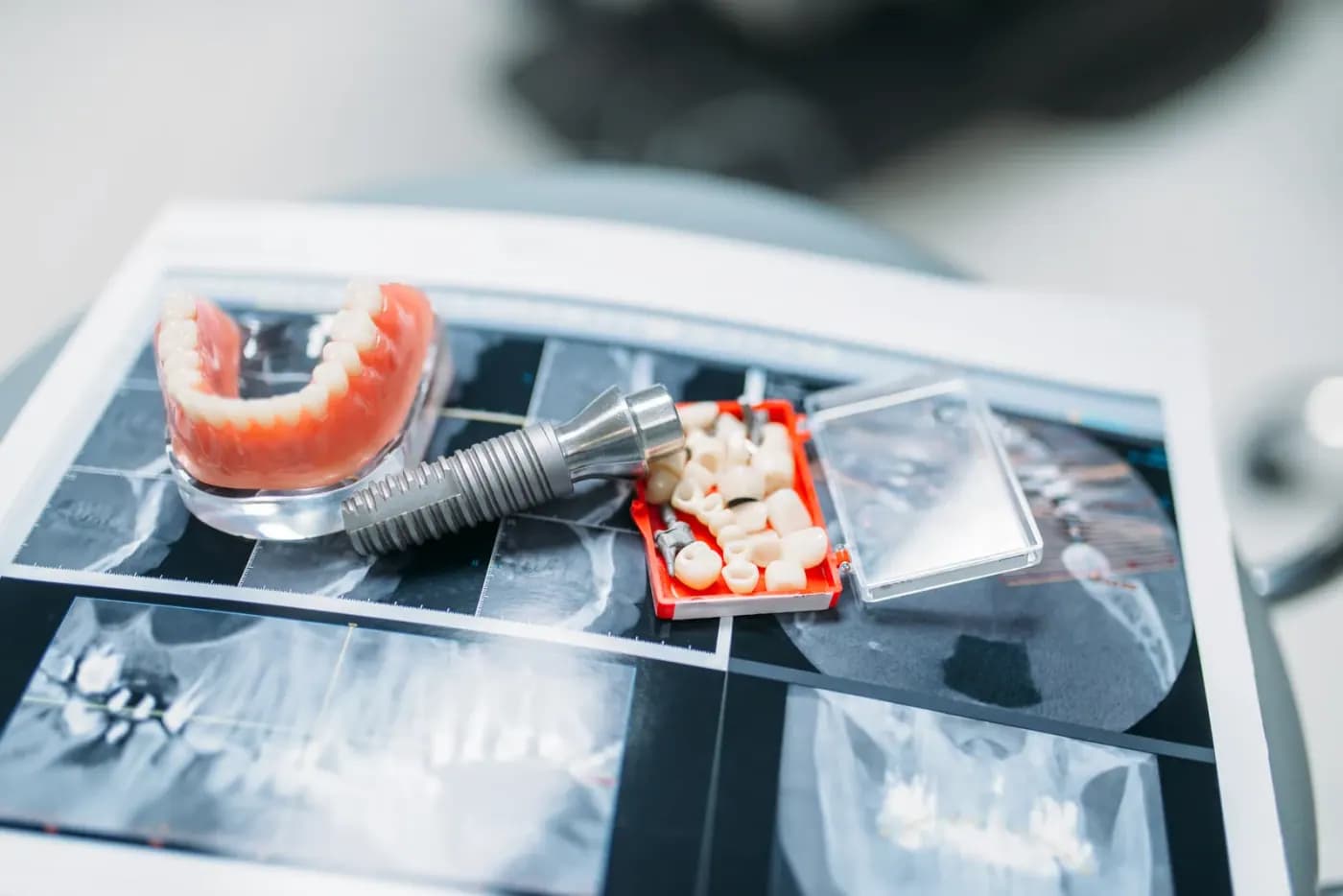
- Radiography: Periapical or panoramic imaging evaluates root, bone and decay.
- Digital scanning: Intraoral scanner for impression and smile analysis if needed.
- Expectation discussion: Patient goals, material limits and care commitment are discussed.
- Staged plan: Gum, decay, bruxism or bite issues are resolved first; then aesthetic restoration is planned.
This process protects both dental health and long-term aesthetic outcome against "crown immediately" pressure. You can make expectations concrete by reviewing results with different materials and protocols in our before and after gallery.
When to Choose Which Alternative Instead of Zirconia?
Not every alternative suits everyone; the summary below is guiding:
- E-Max: Front tooth aesthetics, high translucency, possible minimal prep. Detail: E-Max crowns.
- Metal-supported porcelain: Long bridges, budget priority, certain clinical scenarios. Detail: metal-supported porcelain.
- Laminate veneer: Minimal invasive aesthetics in suitable cases. See things to know before crowns.
- Implant-supported solution: Missing teeth and insufficient support situations.
Material choice is personal; "my neighbour had zirconia" should not be your guide.
Conclusion: Zirconia Is Strong, But Not for Everyone
Zirconia dental crowns are an excellent option in many cases for durability, biocompatibility and aesthetics. Still, in active gum disease, uncontrolled bruxism, insufficient tooth structure, untreated infection, excessive aesthetic expectation, functional bite problems or poor oral hygiene, planning zirconia immediately may not be right.
The right approach is to stabilise oral health first, clarify expectations in a realistic frame and proceed with different material or preliminary treatment when needed. For personal suitability assessment you can review our zirconia crowns treatment page and request examination and consultation via our contact form.
Legal note: Information in this article is for general education; it does not change your individual medical situation. Treatment decisions should only be made together with a qualified dentist.