

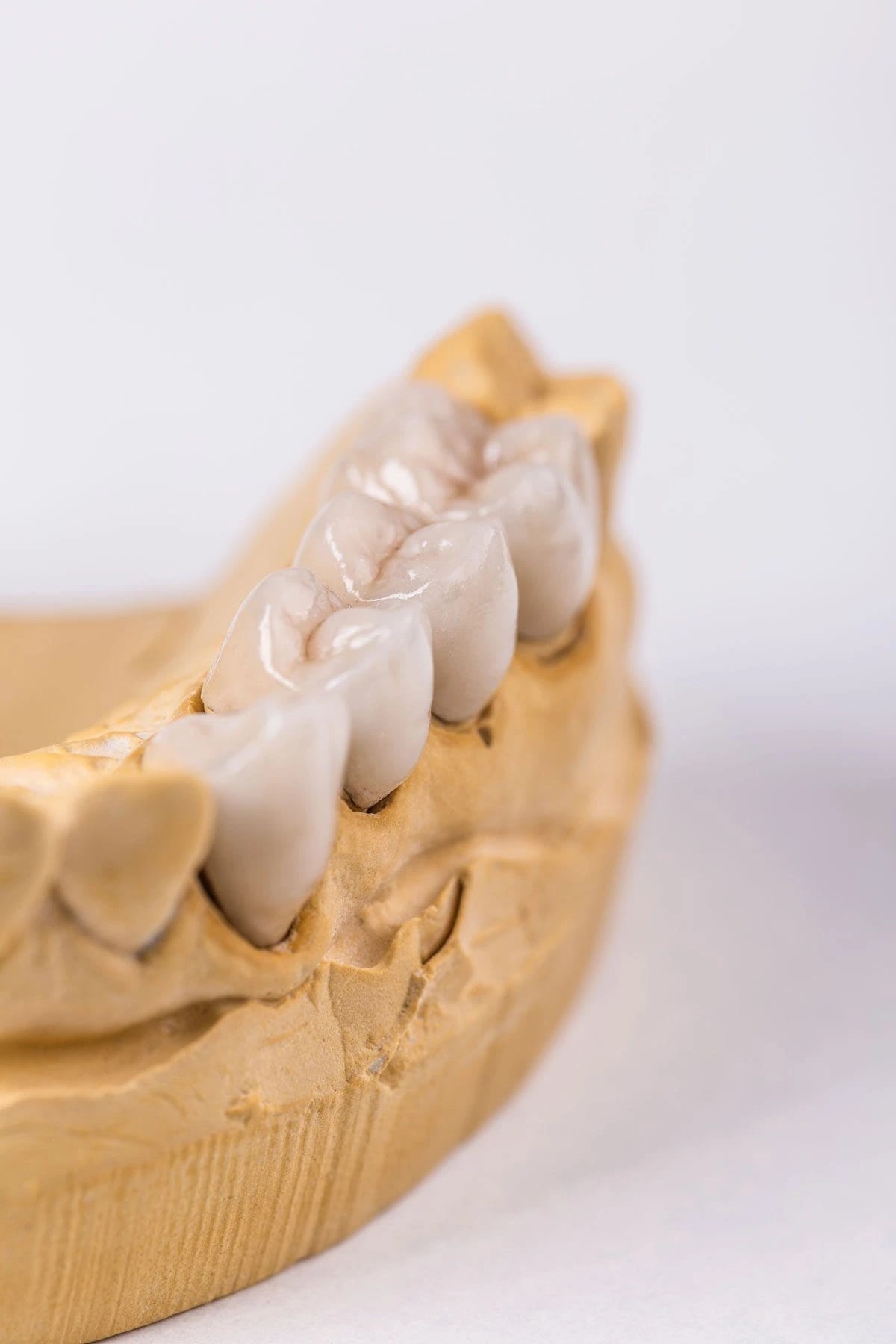
Dental Veneers & Crowns
Premium seramik · CAD/CAM üretim
Full Ceramic Crowns
Free of any metal substructure, full ceramic crowns offer a natural look and strong protection for damaged or root-canal treated teeth as a complete-coverage solution.
- Material
- Zirconia / E-Max
- Duration
- 4-6 days (completed in 2 clinic visits)
- Anesthesia
- Local anaesthesia
- Recovery
- 2-5 days of mild sensitivity
What Is It?
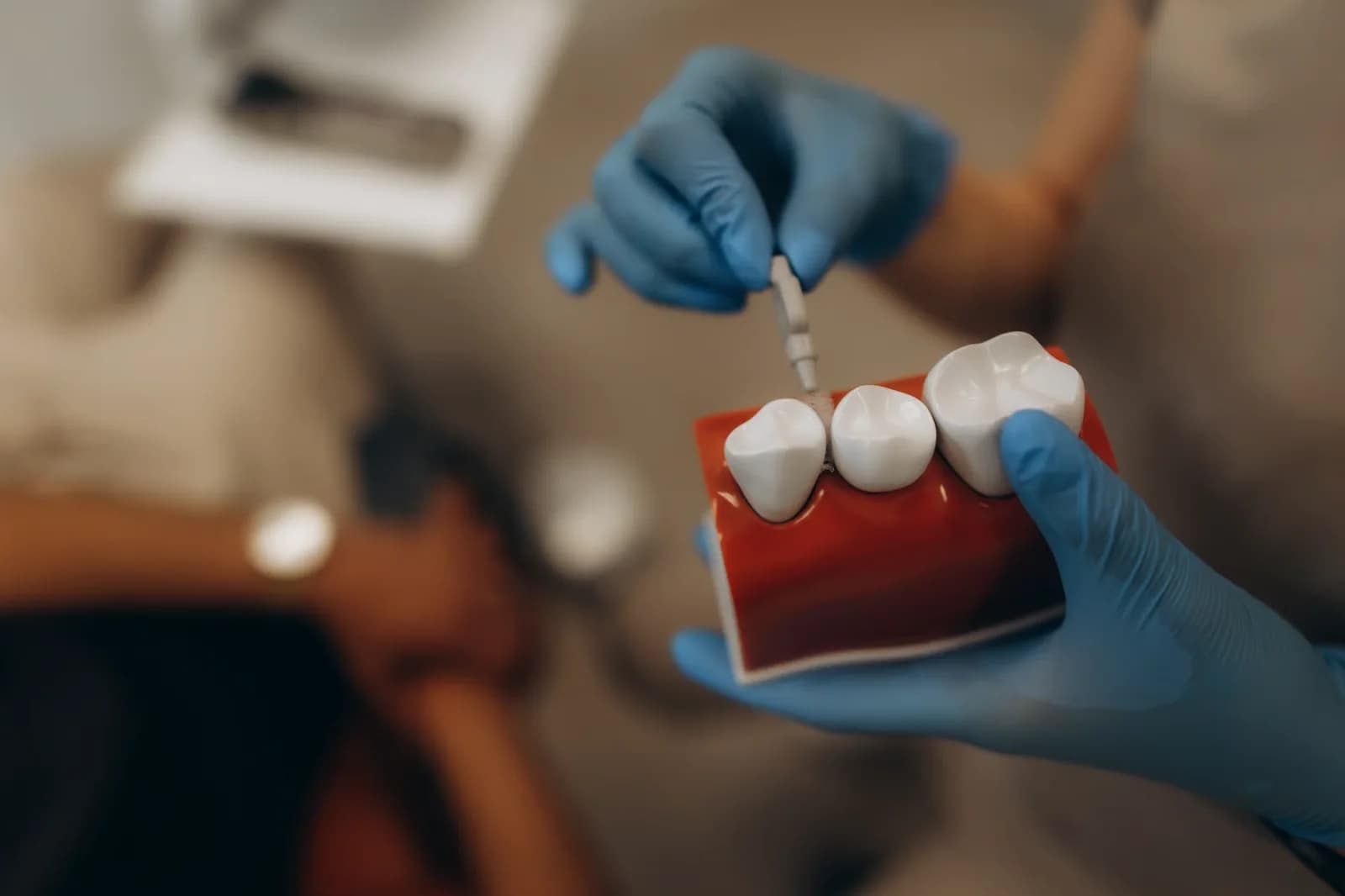
Full ceramic crowns is a general term for crown systems that contain no metal substructure whatsoever and cover the entire surface of the tooth (a full 360 degrees). This category includes lithium disilicate-based crowns (similar to E-Max/Empress), zirconia-based crowns, and layered combinations of both. The term "full ceramic" simply indicates that the material is metal-free and manufactured as a crown form that encases the whole tooth — this is what fundamentally distinguishes it from a porcelain laminate veneer, which covers only the front surface.
Full ceramic crowns are particularly favoured for teeth that have undergone root canal treatment, suffered significant loss of structure due to a large cavity or fracture, or have an old, oversized filling. Such teeth need more than a superficial veneer — they require a structurally reinforcing restoration that fully encases the tooth. A full ceramic crown restores the tooth's natural form while also providing strong protection against chewing forces.
In modern dentistry, full ceramic crowns have a broad range of applications, from single-tooth restorations to bridges and implant-supported prostheses. The dentist selects the most suitable full ceramic substructure (lithium disilicate or zirconia-based) according to the patient's tooth structure, chewing forces and aesthetic expectations. At our clinic in Alanya, this decision is made transparently together with the patient, following a digital examination and bite analysis.
Historically, the most common crown option in dentistry was the metal-supported porcelain crown (PFM); however, with advances in ceramic materials science and the spread of CAD/CAM manufacturing technology, full ceramic crowns have become the increasingly preferred standard, especially over the past 15 years. Today, many dental faculties and international clinical protocols recommend full ceramic crowns as the primary option in cases where aesthetics is a priority. Metal-supported crowns are still preferred in certain indications — for example, back-tooth cases with very high chewing forces and lower aesthetic priority — but the general trend continues to shift towards full ceramic options.
The rise in popularity of full ceramic crowns is largely due to their ability to meet both aesthetic and functional expectations simultaneously. Unlike traditional metal-supported crowns, which can develop a greyish line at the gum margin over time, full ceramic crowns carry no such risk — an important aesthetic advantage, particularly for teeth visible in the smile line.
The term "full ceramic crown" is sometimes confused by patients with a specific brand or material, but it is in fact an umbrella category. For example, a patient may be recommended a zirconia-based full ceramic crown for a back tooth and a lithium disilicate-based one for a front tooth; both qualify as "full ceramic" because neither contains metal and both fully encase the tooth. This flexibility allows the dentist to establish the ideal mechanical and aesthetic balance for each individual tooth, rather than applying a "one size fits all" approach — instead embracing a philosophy of truly personalised treatment.
Who Is It Suitable For?
Full ceramic crowns may be a suitable option in the following situations:
One of the most common case types we see among our international patients is the replacement of metal-supported crowns fitted years ago in their home country, which have since discoloured or developed marginal leakage. These patients are usually seeking both an aesthetic and functional renewal, and a full ceramic crown offers a practical solution that addresses both needs at once. Another common profile is younger adult patients who have fractured a front tooth in a sports injury or accident and are looking for a fast yet permanent solution. Both profiles are frequently among the patients who combine holiday plans with health tourism when visiting Alanya, seeking a lasting solution in a single trip.
Additionally, age-related tooth wear, gum recession, and the accumulation of multiple old fillings are common reasons that increase the need for full ceramic crowns. In this patient group, several teeth are usually assessed at once, and the dentist decides which teeth require a crown and which can be treated with a less invasive method (filling, laminate veneer). This way, the least invasive yet longest-lasting solution is chosen for each tooth, protecting both the patient's budget and their natural tooth structure. During assessment, your dentist looks not only at the tooth causing your current concern, but also at neighbouring teeth and your overall oral health, sharing any potential future risks with you — this proactive approach helps prevent unexpected emergencies down the line, which is especially valuable for patients travelling from abroad.
Full ceramic crowns require a healthy tooth root and surrounding bone tissue; patients with active gum disease or insufficient bone support should complete foundational treatment beforehand. In cases with substantial loss of tooth structure, a supporting core (post-core) structure may be needed before the crown is placed. The final material and treatment plan are confirmed by the dentist after a clinical examination, X-rays and digital bite analysis.
- Teeth that have undergone root canal treatment and require structural reinforcement,
- Teeth with significant loss of structure due to a large cavity or fracture,
- Teeth needing replacement of old, large fillings whose colour no longer matches,
- Teeth with a noticeable aesthetic issue in shape, length or colour that require full coverage,
- Patients with metal allergies or those seeking a metal-free solution,
- Patients planning an implant-supported full-coverage restoration,
- Patients wishing to reinforce worn or cracked tooth structure,
- Patients who have lost or fractured a front tooth due to trauma or an accident and are seeking a fast, permanent solution,
- Patients wishing to replace old crowns that have developed leakage or discolouration at the margin over the years.
Technologies Used
Different digital technologies come into play in full ceramic crown manufacturing depending on the material chosen. Digital impressions taken with intraoral scanners provide a comfortable and highly precise starting point. CAD software creates the digital design of the crown, taking into account the tooth's remaining structure, any specific requirements related to root canal treatment, and fit with neighbouring teeth.
Lithium disilicate-based crowns are manufactured using CAD/CAM milling units, while zirconia-based crowns additionally require high-temperature sintering ovens. In cases requiring a core structure, digital planning allows the size and placement of the core material (fibre post or cast post) to be calculated with millimetre precision. Digital spectrophotometers and professional ceramic shade guides are used for colour matching; layered characterisation techniques during the laboratory stage achieve a natural tooth appearance.
Digital smile design software, particularly in cases involving multiple teeth, allows us to simulate in advance how the crowns will harmonise with neighbouring teeth and the overall smile line. This lets the patient see the expected result before treatment begins and reach agreement with the dentist on any fine adjustments. Fibre post materials used in cases requiring a core structure have flexibility properties close to that of the natural tooth root, helping reduce the risk of root fracture. Digital occlusion (bite) analysis systems check the crown's relationship with opposing teeth with millimetre precision, supporting healthy function of both the crown and the jaw joint. Additionally, 3D X-ray imaging (CBCT) used for root-canal treated teeth allows detailed assessment of root structure and surrounding bone tissue, supporting a safer treatment plan.
Zirconia Care Guide
Daily brushing+
Soft brush and fluoride paste; avoid abrasive whitening pastes.
Floss & interdental+
Clean margins daily to prevent plaque at crown edges.
Night guard+
Recommended if you grind or clench at night.
Annual check-up+
Professional review of margins and gum health.
How Is It Performed?
- 1
Digital examination and planning:
An intraoral scan, X-rays and photographs are used to assess the tooth's condition, root structure and surrounding tissue.
- 2
Material selection:
The most suitable full ceramic substructure (lithium disilicate/zirconia) is determined based on tooth position, chewing forces and aesthetic priority.
- 3
Core structure if needed:
For teeth with significant structural loss, a reinforcing core structure is placed first so the crown has a solid foundation.
- 4
Tooth preparation:
Under local anaesthesia, the tooth is carefully shaped around its circumference to suit the chosen crown thickness.
Disadvantages
Requires tooth reduction:
A certain amount of structure must be removed from around the tooth for full coverage; this process is permanent.
Material-dependent limitations:
Lithium disilicate-based options may have limited use in cases with high chewing forces, requiring a zirconia-based option instead.
May require additional treatment:
Teeth with significant structural loss may need a core structure or root canal treatment before the crown, which can extend the process.
Requires maintenance:
Long-term durability depends on regular brushing, flossing and periodic check-ups.
Cost:
Requires a higher initial investment compared to simple filling treatments, though it is generally considered a worthwhile investment given the structural protection and longevity it provides.
Risk of sensitivity after tooth preparation:
In cases where preparation is performed close to the nerve, temporary or, rarely, permanent sensitivity can develop.
Your dentist will explain the advantages and limitations specific to your case during your initial assessment, along with any alternative treatment options.
How Many Days Does It Take?
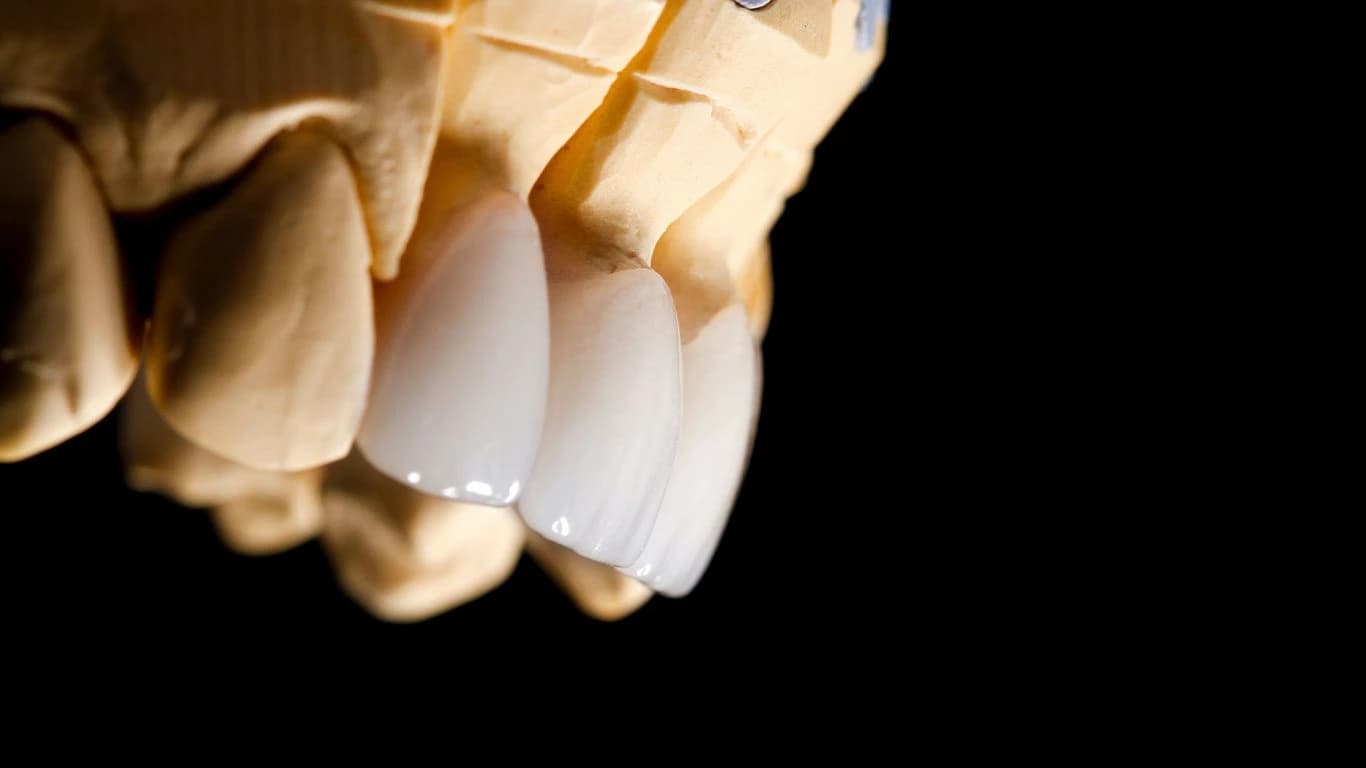
A standard full ceramic crown case is typically completed within 4 to 6 days across 2 clinic visits. Cases requiring additional procedures such as root canal treatment or a core structure may extend the process to 7-9 days. Extensive restoration cases involving multiple teeth may require additional planning days. The exact timeline is confirmed after a preliminary assessment based on the photos and X-rays you share with us, and communicated in advance to assist with your travel planning.
For example, the process for a patient needing a single zirconia crown on a back tooth after root canal treatment typically takes 5-6 days, while a patient requiring a combination of core structures and crowns on multiple teeth may need up to 8-9 days. This variation reflects the unique clinical needs of each case and is clarified transparently during your initial consultation.
Treatment Process
Your treatment journey in Alanya begins with a VIP transfer from Antalya Airport. On your first clinic day, a comprehensive examination and digital planning take place; tooth preparation and impressions are completed the same day. CAD/CAM manufacturing and laboratory characterisation of the crown typically takes 2-4 days; this can vary depending on the chosen material (zirconia-based options require an additional sintering step).
During this waiting period, you can relax at your arranged hotel and explore Alanya's historic and natural attractions. For cases requiring additional procedures such as root canal treatment or a core structure, the total process may extend by a few days; this is clarified during your initial examination and factored into your travel plan. Once the crown is ready, your final clinic visit completes the permanent placement and final check. Throughout the process, your patient coordinator stays in contact with you and arranges interpreter support.
For simple single-tooth cases, the process moves quite quickly, while for extensive restorations involving multiple teeth, your dentist may present a staged treatment plan. Under this plan, for example, all teeth may be prepared on the first day while crown placement is spread across different days depending on the material used. All these details are clarified during your free consultation and integrated into your travel schedule.
Recovery Process
Mild sensitivity and a temporary tightness in the gums during the first 24-48 hours after crown placement are considered normal. This sensitivity is generally less pronounced for root-canal treated teeth, since the nerve tissue has already been treated. Recommendations for the recovery period include:
- Avoiding very hot or very cold food and drinks in the first few days,
- Avoiding biting hard objects with your teeth,
- Using prescribed mouthwash and mild pain relief if needed,
- Continuing regular brushing and flossing,
- Wearing a protective night guard consistently if you have a history of bruxism,
- Attending a dental check-up and professional cleaning every six months.
Follow-up support continues through our digital communication channels after you return home; our team remains available to answer any questions. In cases involving a core structure, recovery generally requires a little more care as the root adjusts to the new structure; avoiding very hard foods is especially important during this period. Since root-canal treated teeth lack a live nerve, hot/cold sensitivity is usually felt less, though the gum and surrounding tissue may still undergo a mild healing process.
Risks
Known risks associated with full ceramic crowns include temporary sensitivity, rare cases of chipping or debonding, and — in cases requiring a core structure — the risk of root fracture (particularly in teeth with significant structural loss). These risks are significantly reduced through proper case selection, precise laboratory fabrication and regular maintenance.
For root-canal treated teeth, infection developing at the root tip over time is theoretically possible, which is why regular X-ray check-ups are recommended. In cases supported by a core structure, there is a rare risk of the post material loosening or the tooth fracturing; this risk is minimised through correct material selection and precise application. New decay could theoretically develop in the tooth beneath the crown over the long term, which is why regular brushing, flossing and annual X-ray checks are important. Smoking and excessive consumption of acidic foods can shorten the lifespan of the bonding layer at the crown margin, so reducing such habits is advisable. Temporary irritation of neighbouring teeth or gums may occur during tooth preparation, but this typically resolves on its own without additional treatment. Any issues that arise are addressed under the clinic's treatment guarantee. A definitive risk assessment is provided individually after a clinical examination, and this content does not constitute medical advice.
Why Choose Us?
A dental team experienced with international patients, offering different full ceramic material options,
The ability to plan additional needs such as root canal treatment and core structures within the same trip,
A transparent, written treatment plan with clearly stated guarantee coverage,
VIP airport transfer and hotel accommodation arrangements,
24/7 patient coordinator and interpreter support before, during and after treatment,
Accredited partner clinics operating under Turkey's Ministry of Health International Health Tourism Authorization Certificate,
Clinical infrastructure experienced in comprehensive case management, including core structures, root canal treatment and other supporting procedures,
Digital follow-up support and remote assessment after treatment.
If you have a root-canal treated or structurally weakened tooth, sharing this with us during your free consultation helps us plan the most suitable full ceramic crown solution for you in advance. This minimises the risk of encountering a surprise additional treatment need once you arrive in Turkey. At our clinic, full ceramic crown treatment is planned with a holistic approach that considers not just a single tooth, but your overall oral health and long-term dental care needs — an important factor supporting both post-treatment satisfaction and the material's longevity.
Price Overview
From
from €300
Varies by the chosen full ceramic substructure type (lithium disilicate/zirconia-based) and number of teeth.
Treatments
Frequently Asked Questions


Free initial assessment
Let's build your treatment plan together after a clinical assessment.
Free Consultation WhatsApp