Choosing a dental implant brand is one of the parts of the treatment plan that raises the most questions. "Best brand" lists you find online are often advertising or single-brand focused; in reality your bone structure, number of missing teeth, aesthetic expectations and budget determine the final decision. At our clinic, internationally approved systems such as Straumann, Nobel Biocare, MegaGen, Osstem, Notch and Bego are evaluated in cases suited to the treatment plan. This guide is for information; final choice is made with your dentist after examination, X-ray or CBCT tomography assessment.
Why Does Dental Implant and Brand Choice Matter?
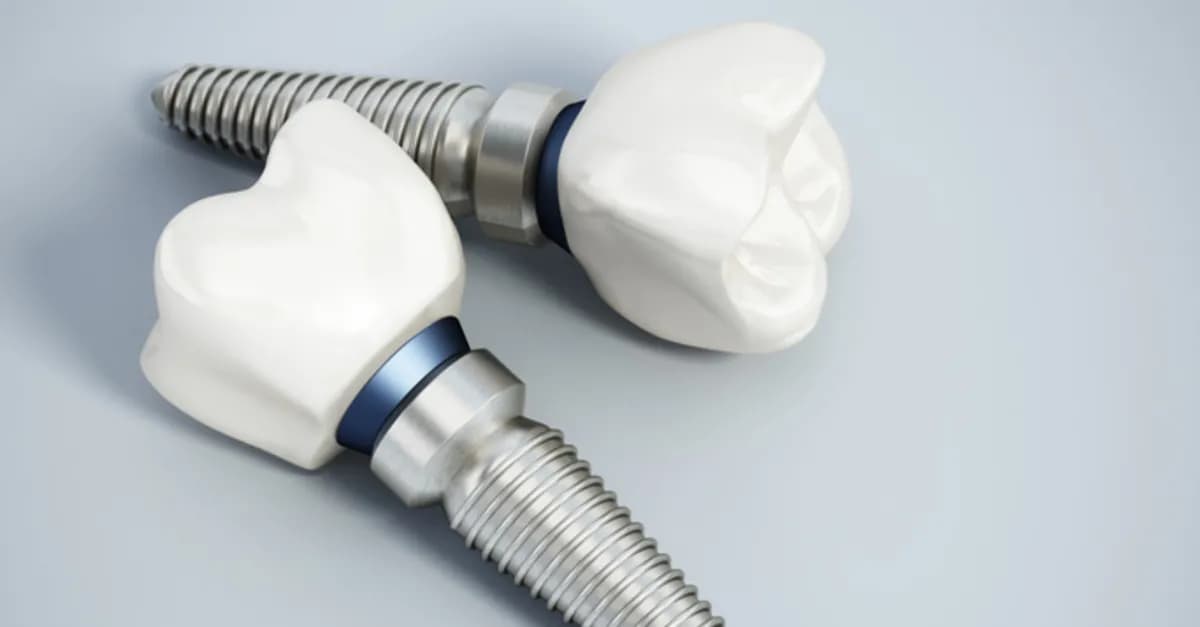
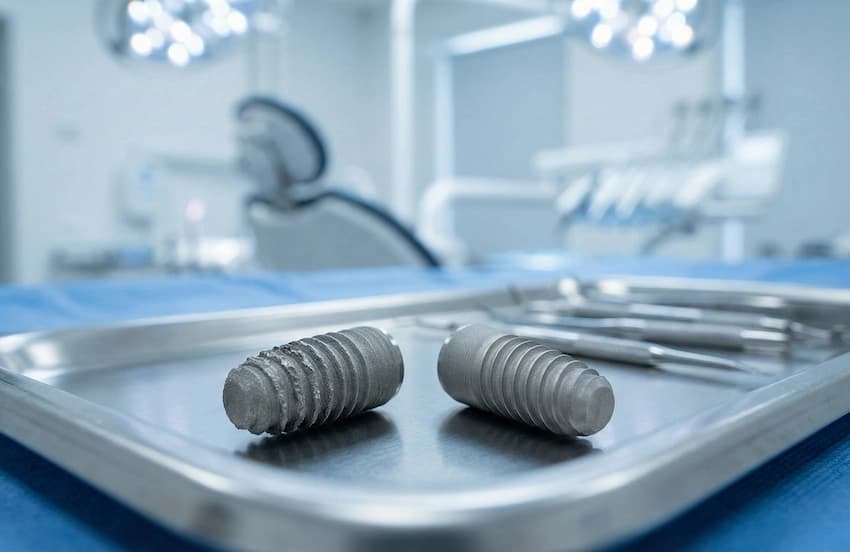
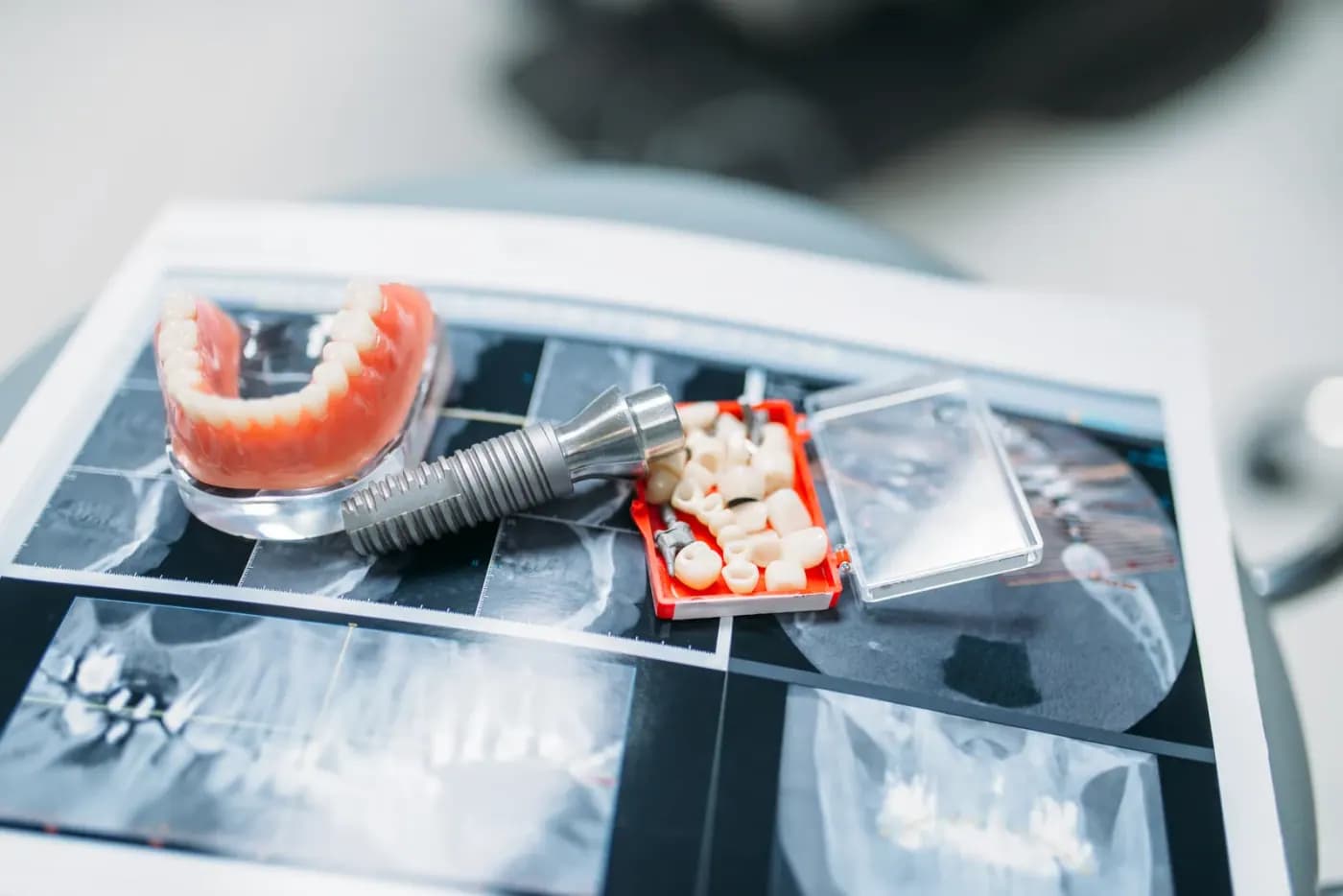
A dental implant is an artificial root made of titanium or titanium alloy that replaces a missing tooth root. It is placed surgically in the jawbone; bone gradually fuses with the implant surface (osseointegration). A crown, bridge or fixed prosthesis is mounted on top. Brand choice affects planning in terms of implant surface technology, connection design, prosthesis compatibility, spare part availability and long-term maintenance ease. However, success depends not only on brand but also on bone structure, surgical technique, sterilisation, prosthesis planning and patient hygiene. No implant system can be given an automatic guarantee of success or lifelong trouble-free use.
What Should You Look at When Choosing a Brand?
These criteria stand out when evaluating an implant brand:
- Clinical research data and long-term follow-up — How long has the brand been on the market, how many years of success rate data does it share? Studies cited in the literature provide reference in planning; they do not predetermine individual outcome.
- Compatibility with bone quality and volume — Some systems may achieve better osseointegration in low bone density; thin-diameter models may have potential to reduce graft need in narrow bone anatomy.
- Connection system and prosthesis compatibility — Spare part availability matters if prosthesis change or revision is needed later. If you are an international patient, ask whether support for that brand exists in your home country.
- Warranty and spare part availability — Manufacturer warranty usually covers part defects; it does not cover clinical success. Brands with global distribution may offer easier maintenance later.
- Dentist experience — The same brand can produce different results with different dentists. How many cases your dentist has done with that system is a topic to discuss in planning.
Straumann (Switzerland)
Straumann is a Swiss manufacturer active in implantology since 1954 and is positioned in the premium segment worldwide. Roxolid titanium-zirconium alloy and SLActive hydrophilic surface technology are among the brand's best-known features. It offers a wide product range including Bone Level, Tissue Level, BLX and Roxolid series; various diameter, length and connection options exist for different bone densities, aesthetic zone requirements and fixed prosthesis protocols.
Straumann's position in the premium segment relates to long clinical follow-up history and global distribution network. Decades of data in the literature contribute to dentists often evaluating this brand in planning. However, premium pricing may bring alternatives such as MegaGen or Osstem into budget planning. For detailed technical information, see our article Straumann dental implant.
Nobel Biocare (Sweden / Switzerland)
Nobel Biocare's roots go back to Prof. Per-Ingvar Brånemark's discovery of fusion between titanium and bone; this finding formed the basis of modern implantology. The brand now operates under Straumann AG. With TiUnite surface technology, a broad implant portfolio and the All-on-4 concept, it is one of the systems frequently referenced in the literature.
The All-on-4 protocol aims to place a fixed prosthesis on a small number of implants in patients with total or advanced tooth loss; it is strongly associated with Nobel Biocare. Applicability of the protocol is assessed with CBCT according to bone volume, sinus anatomy and general health; it is not automatically preferred for every case. Nobel Biocare is also positioned in the premium segment and is considered one of the brands with the largest clinical data pool together with Straumann. See our Nobel Biocare implant page for details.
MegaGen (South Korea)
MegaGen (Megagen) is a South Korean implant manufacturer with wide international distribution. It develops systems aiming to increase bone-implant contact through surface treatments such as SLA and Xpeed. It can be evaluated in clinical practice for both single missing teeth and multiple implant-supported prostheses.
MegaGen's segment is generally considered more accessible in cost compared with premium Swiss and Swedish brands. ISO and CE approved production standards make it a frequent choice for international patients planning budget. Bone quality, aesthetic zone requirements and prosthesis plan determine final choice; brand price alone does not mean sufficient or insufficient. Technical details are in our MegaGen implant and Straumann vs MegaGen comparison articles.
Osstem (South Korea)
Osstem is a South Korean brand known as one of the best-selling implant systems worldwide. It offers wide diameter and length options, different surface technologies and various prosthesis connection types. It can be evaluated for both single and multiple implant protocols, in anterior aesthetic cases and posterior functional restorations.
Osstem is positioned in a similar segment to MegaGen and is often preferred in plans seeking cost-performance balance. Global distribution network and clinical usage experience may offer advantage for spare part availability. Thin-diameter models in narrow bone anatomy, standard or wide platform implants in ample bone can be included in the plan. Suitability is determined with CBCT imaging and clinical examination. See our Osstem implant guide for more.
Notch Implant
Notch Implant is one of the implant systems among our clinic's partner brands. With compact design and potential suitability for single-stage or early loading protocols, it can be evaluated in some plans. Together with brands such as Straumann, Nobel Biocare and MegaGen, it may be considered after dentist assessment in cases suited to the treatment plan.
Notch Implant is not an automatic choice for every case; bone volume, chewing force distribution and prosthesis type must be evaluated together. Partner brand status means this system can be included in the plan in certain scenarios at our clinic; however, which implant suits you is determined only after examination and imaging. In our article What is the Notch implant system? we discuss the brand in relation to other systems.
Bego (Germany)
Bego is a Germany-based dental manufacturer present in the European market for a long time. Titanium implant systems are produced according to CE approved standards. Compared with premium Straumann and Nobel Biocare it is generally positioned in the mid segment; it can be evaluated in similar plans to MegaGen and Osstem.
Connection design, surface treatment and prosthesis components of Bego implants are evaluated by the dentist during planning. German manufacturing tradition may offer brand recognition advantage for patients from Europe. "Made in Germany" alone does not mean automatic superiority; your bone structure, surgical plan and prosthesis design determine final outcome. At our clinic Bego is evaluated as a partner brand together with Straumann, Nobel Biocare, MegaGen and Notch.
Comparison Table
Summary comparison of the main brands in our partner and treatment content:
| Brand | Origin | Segment | Key Feature | Detailed Article |
|---|---|---|---|---|
| Straumann | Switzerland | Premium | Roxolid, SLActive, longest clinical follow-up | Straumann implant |
| Nobel Biocare | Sweden / Switzerland | Premium | TiUnite, All-on-4 concept | Nobel Biocare |
| MegaGen | South Korea | Mid | Fast osseointegration, value for money | MegaGen implant |
| Osstem | South Korea | Mid | Global distribution, wide product range | Osstem implant |
| Notch Implant | — | Mid | Compact design, early loading potential | Notch system |
| Bego | Germany | Mid | European manufacturing tradition, CE approved systems | This guide |
This table shows general positioning; the "most suitable" brand for an individual case is determined after examination.
Premium Segment or Mid Segment?
Brands such as Straumann and Nobel Biocare have the largest clinical data pool and highest brand recognition; this usually means a higher price point. Brands such as MegaGen, Osstem and Bego can offer similar ISO/CE approved production standards at a more accessible budget and hold significant share in the global implant market.
Choosing a premium brand does not automatically guarantee better outcome. A thin-diameter Roxolid model may be planned in narrow bone, while a mid-segment system can achieve successful osseointegration in good bone volume. Budget, aesthetic expectation, bone structure and dentist experience should be evaluated together. To compare two premium brands with mid segment, see our Straumann vs MegaGen article.
How Does Bone Structure Affect Brand Choice?
Jaw bone density and volume are decisive factors in implant selection. In low bone density, some implant surface technologies (hydrophilic surface coatings, processes aiming at accelerated osseointegration) may offer shorter healing time. If bone volume is insufficient, additional procedures such as bone grafting or sinus lift may be needed before brand choice.
Thin-diameter implant models in narrow bone anatomy may have potential to reduce graft need; however, graft-free planning is not possible in every case. Sinus anatomy in the upper jaw affects tilted implant placement or sinus lifting plan. CBCT tomography is the standard imaging method to assess bone volume in three dimensions; panoramic X-ray alone may not be sufficient.
Factors such as smoking, uncontrolled diabetes and active periodontal disease can negatively affect osseointegration; these risks should be included in the plan before brand choice. Premium surface technology does not remove risk factors.
Aesthetic Zone and Prosthesis Plan
Implant planning in the anterior region (aesthetic zone) has different requirements from posterior functional restorations. Soft tissue contour, gum profile and temporary prosthesis aesthetics are integral parts of the plan. Bone Level implant designs aim to facilitate soft tissue management in the aesthetic zone; Tissue Level systems are often preferred in the posterior region.
Prosthesis type — single crown, implant-supported bridge, All-on-4 or All-on-6 fixed prosthesis — determines implant count, placement angle and connection choice. Temporary prosthesis need is critical in travel planning, especially for international patients. Early or immediate loading protocols are not suitable for every patient; implant stability and bone quality must be assessed.
Permanent prosthesis material (zirconia, metal-ceramic, full ceramic) affects aesthetic and functional outcome independently of brand choice. Our implant prices page explains cost components; exact figures are determined case by case after examination.
Health Tourism and Brand Choice
Turkey is an important centre for implant treatment in health tourism. Our clinic in Alanya and the region manages the process from a single centre with VIP transfer, accommodation coordination and remote follow-up after treatment. For international patients, additional criteria apply in brand choice:
- Travel duration — If healing period is long, a two-phase plan (surgery + prosthesis) may be needed; temporary prosthesis or early loading protocols can be evaluated according to travel time.
- Follow-up abroad — Availability of support for the same brand in your home country matters for future prosthesis revision or maintenance.
- Written treatment plan — Brand, implant count, prosthesis type and follow-up protocol should be shared in writing after examination; giving a definitive quotation from photos alone is not the right approach.
Process details are in our Alanya health tourism guide and dental treatment in Turkey articles.
What You Should Know
- Brand choice should be evaluated together with bone structure, budget, aesthetic expectation and dentist experience, not alone.
- All recommended brands (Straumann, Nobel Biocare, MegaGen, Osstem, Notch, Bego) are internationally approved systems; avoid unknown or unapproved brands.
- Premium brands have longer clinical data history; mid-segment brands can offer more accessible budget — both can achieve successful outcomes with the right plan.
- Ask about warranty scope and support abroad before treatment.
- Changing brand after implant placement requires new surgery; make the choice carefully before treatment.
- CBCT imaging and clinical examination are prerequisites for brand choice; X-ray or photos alone are not sufficient.
Related Content
- Straumann vs MegaGen comparison
- What is the Notch implant system?
- Dental implant treatment
- Implant prices
- Best implant brands
- Before and after
Conclusion
Dental implant brand choice is personal and shaped by your bone structure, treatment plan and budget. Straumann and Nobel Biocare are evaluated in the premium segment for long clinical history; MegaGen, Osstem, Notch and Bego can offer accessible alternatives in the mid segment. No brand is automatically the best option for every case. Contact us for a free implant consultation; after X-ray or CBCT assessment we will determine the most suitable system together with you.